

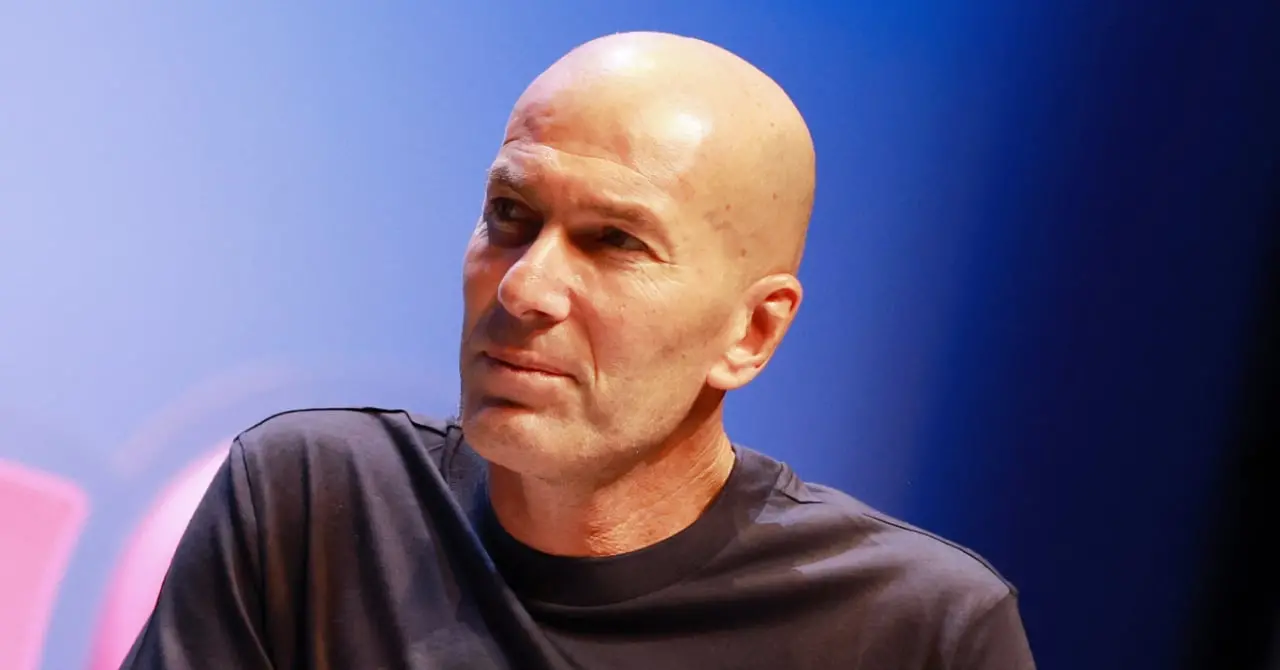
Zinedine Zidane’s long-awaited appointment as head coach of the French national team is finally imminent. According to multiple sources, the 1998 Ballon d’Or winner will be officially unveiled as Didier Deschamps’ successor within the next few days, most likely on Thursday or Friday of next week. The announcement will end months of speculation and bring one of football’s greatest figures back to the helm of Les Bleus.
Deschamps, who led France to World Cup glory in 2018 and the final in 2022, will step down after the 2026 World Cup. His final match in charge was a semi-final defeat to Spain, leaving France to contest the third-place playoff. The timing of Zidane’s appointment is crucial: the French Football Federation (FFF) wants everything finalized before July 21, when a new governance law will require ministerial approval for such high-profile coaching contracts. Although Sports Minister Marina Ferrari has already given her tacit approval, the FFF prefers to avoid the bureaucratic hurdles.
Zidane’s contract is reported to be worth between €350,000 and €450,000 per month, depending on performance-related bonuses, equating to an annual salary of roughly €5 million. This figure is modest compared to his earnings at Real Madrid but reflects the budget constraints of the national team setup. The deal does not require validation by the FFF’s executive committee (Comex), as the federation has already secured the necessary internal agreements.
Beyond the financial terms, Zidane has assembled an extensive backroom staff of 25 individuals—a notably large entourage for a national team. Among them are several women, particularly in the data analysis department, signaling a modern, data-driven approach to coaching. The staff includes trusted lieutenants from his Real Madrid days as well as new specialists in sports science, psychology, and opposition analysis.
Zidane’s path to this moment has been anything but straightforward. After leaving Real Madrid in 2021, he turned down several lucrative offers from club and national teams, including a reported approach from the Portuguese federation. His sole focus was the France job, a position he had been linked with since Deschamps’ initial announcement of his departure 18 months ago. The French public and media have long clamored for Zidane, viewing him as the natural heir to the throne—a sentiment fueled by his legendary status as a player and his extraordinary success as a manager.
As a player, Zidane won the World Cup in 1998, the European Championship in 2000, and the Champions League with Real Madrid in 2002. His iconic volley in the 2002 final remains one of the most memorable goals in football history. As a manager, he led Real Madrid to an unprecedented three consecutive Champions League titles (2016, 2017, 2018) and two La Liga titles, establishing himself as one of the most decorated coaches of his generation. His managerial style, characterized by calm authority, tactical flexibility, and an ability to manage superstar egos, is expected to translate well to the international stage.
However, the challenges awaiting Zidane are considerable. The France squad is in transition, with several key players from the 2018 World Cup-winning generation approaching the end of their international careers. Stars like Antoine Griezmann, Kylian Mbappé, and a new wave of talent—including Eduardo Camavinga, Aurelien Tchouaméni, and Randal Kolo Muani—will form the core of the team. Zidane must also integrate emerging talents such as Warren Zaïre-Emery and Elye Wahi while managing the expectations of a demanding fanbase and media.
The tactical identity under Zidane is expected to differ from Deschamps’ pragmatic approach. While Deschamps often prioritized defensive solidity and counter-attacking, Zidane is likely to implement a more possession-based, fluid system reminiscent of his Real Madrid sides. He has historically favored a 4-3-3 formation with creative midfielders and overlapping full-backs, but he adapts to the players at his disposal. The blend of technical quality and athleticism in the current French squad suits his philosophy.
Off the pitch, Zidane’s appointment is also a major boost for French football’s global image. His multicultural background—born in Marseille to Algerian parents—resonates with the diverse fabric of modern France. He is an icon not only in football but also in popular culture, revered for his elegance, intelligence, and integrity. His presence on the touchline will attract worldwide attention and could inspire a new generation of players and fans.
The FFF’s decision to fast-track Zidane’s appointment before the new governance law takes effect is a clear indication of the federation’s desire to avoid political interference. The law, which requires ministerial approval for senior coaching appointments in national sports federations, was seen by many as an attempt to increase state control over football. By completing the process before July 21, the FFF ensures that Zidane’s appointment is purely a footballing decision.
Zidane’s first competitive matches will come in the autumn, with qualifiers for the 2028 European Championship already on the horizon. The immediate priority will be to build team cohesion and implement his ideas. Friendly matches are scheduled against Germany, Brazil, and Senegal, providing valuable preparation time. The French public, still euphoric from the 2018 World Cup victory but disappointed by the 2024 European Championship exit, expects nothing less than sustained success.
In the longer term, Zidane’s vision extends beyond results. He has spoken about his desire to create a lasting legacy, developing a style of play that is both effective and entertaining. His emphasis on player development and holistic well-being is likely to influence the entire French football system, from youth academies to the senior team. The staff he brings—including specialists in psychology, nutrition, and performance analysis—reflects this comprehensive approach.
Despite the excitement, there are skeptics who question whether Zidane’s club-focused experience can be successfully transferred to international management. National team coaching requires different skills: limited training time, managing player availability, and dealing with long breaks between matches. However, his time at Real Madrid, where he managed a squad packed with superstars and navigated intense media scrutiny, has prepared him well for the pressures of international football.
Zinedine Zidane’s return to the forefront of world football is as much a personal triumph as it is a professional milestone. After years of patient waiting and strategic decisions, he is finally where many always believed he belonged—leading the French national team. The next chapter of his extraordinary career begins now, and the football world will be watching closely.
Source: Sports.fr News