

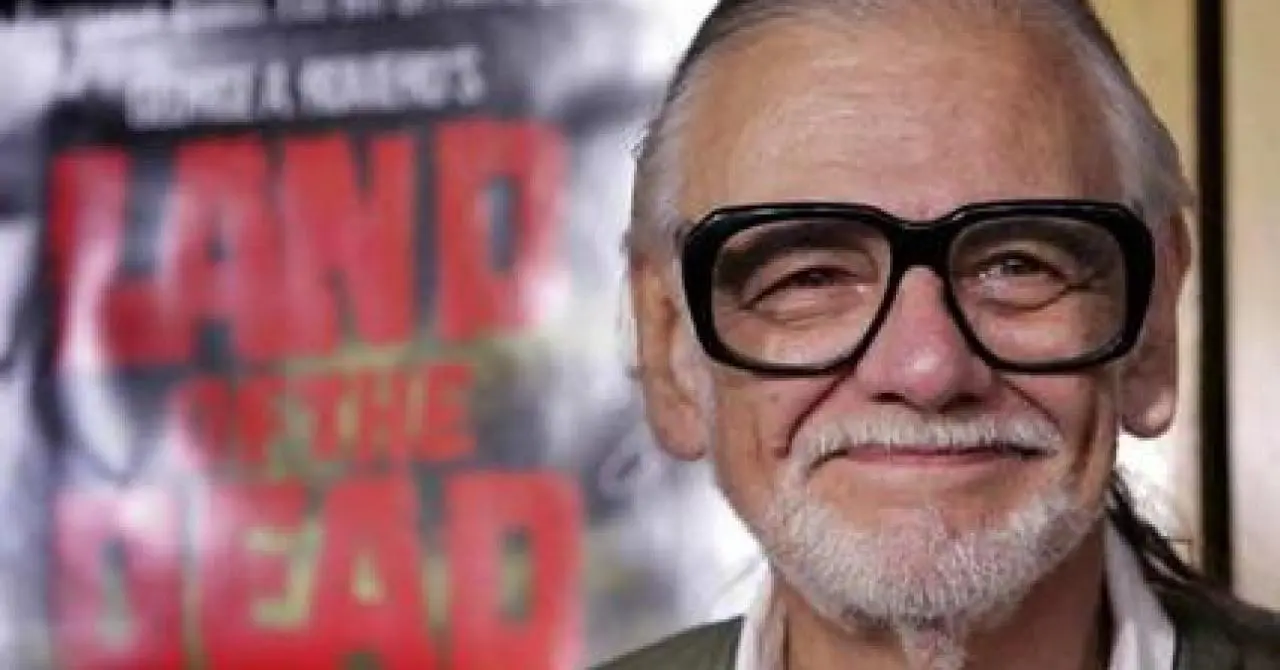
George A. Romero is a name that resonates with horror enthusiasts and film scholars alike. Widely regarded as the father of the modern zombie genre, Romero's work transcended mere scares to deliver biting social commentary. Born on February 4, 1940, in the Bronx, New York, Romero grew up with a passion for filmmaking, experimenting with an 8mm camera as a teenager. His journey from a young cinephile to a cultural icon is a testament to his innovative spirit and unyielding vision.
Early Life and Influences
Romero's interest in cinema was sparked by the classic horror films of the 1950s, as well as the works of directors like Alfred Hitchcock and Roger Corman. After studying at Carnegie Mellon University, he co-founded The Latent Image, a production company that produced commercials and industrial films. This period honed his technical skills and allowed him to assemble a team of like-minded creatives, including future collaborators like Richard P. Rubinstein.
The Breakthrough: Night of the Living Dead
In 1968, Romero and his collaborators released 'Night of the Living Dead', a low-budget independent film that would change horror forever. Shot in black and white in rural Pennsylvania, the film introduced a new kind of monster: the flesh-eating ghoul, slow-moving but relentless. The film was groundbreaking not only for its gore and tension but also for its subversive themes. It featured an African American lead, Duane Jones, and tackled issues of racism, consumerism, and government distrust. The film's bleak ending, where the hero is mistaken for a zombie and killed, was unprecedented for its time. 'Night of the Living Dead' became a cult sensation, earning over $30 million worldwide and establishing Romero as a visionary.
The Living Dead Series Expands
Romero continued his zombie saga with 'Dawn of the Dead' (1978), which set the action in a shopping mall. This sequel sharpened the satirical edge, attacking consumer culture and the emptiness of post-war American materialism. The film was a critical and commercial success, further solidifying Romero's legacy. 'Day of the Dead' (1985) took a darker turn, exploring the collapse of civilization and the futility of human authority. Despite mixed reviews initially, it has since been recognized as a masterwork of apocalyptic horror. The series continued with 'Land of the Dead' (2005), 'Diary of the Dead' (2007), and 'Survival of the Dead' (2009), each maintaining Romero's signature blend of horror and social critique.
Beyond Zombies: Other Works
While the Dead series defined Romero's career, he also directed other notable films. The cult classic 'Martin' (1977) is a psychological vampire story that deconstructs the vampire myth. 'The Crazies' (1973) dealt with biological warfare and government paranoia. 'Knightriders' (1981) was a tale of a traveling Renaissance fair, and 'Monkey Shines' (1988) explored the bond between a paralyzed man and a mischievous monkey. Romero even delved into Stephen King adaptations with 'Creepshow' (1982), a tribute to EC Comics, and the dark fantasy 'The Dark Half' (1993). These works showcase Romero's versatility and his ability to infuse genre narratives with deeper meaning.
Themes and Social Commentary
Romero's films are characterized by their sharp social commentary. The zombies themselves are metaphors: for consumerism (Dawn of the Dead), racism (Night of the Living Dead), and blind conformity. Romero often portrayed the living as more monstrous than the dead, highlighting human greed, incompetence, and violence. His films also examined the role of media, with television broadcasts frequently serving as unreliable narrators. Romero's progressive politics were evident in his casting choices and storylines, making his films resonate beyond the horror genre.
Legacy and Influence
George A. Romero passed away on July 16, 2017, but his impact endures. The modern zombie revival owes much to his work, influencing filmmakers like Zack Snyder, Edgar Wright, and the creators of 'The Walking Dead'. Romero's techniques and themes have been dissected in academic circles, and his films remain staples of horror retrospectives. The 'Living Dead' franchise has spawned numerous remakes, sequels, and parodies, but none have captured the original's socio-political edge. Romero's dedication to independent filmmaking and his refusal to compromise his vision serve as an inspiration to aspiring directors.
In addition to his films, Romero wrote novels and graphic novels, including the 'Living Dead' series of comics. He also mentored younger artists and continued to produce until his final days. His archives are preserved at the University of Pittsburgh, where his legacy is celebrated through screenings and symposiums.
George Romero's contribution to cinema is immeasurable. He took a B-movie premise and turned it into a platform for intellectual discourse. His zombies are not just monsters; they are mirrors reflecting society's flaws. As we continue to grapple with issues of inequality, environmental disaster, and political turmoil, Romero's films remain eerily relevant. His work reminds us that horror can be both terrifying and thoughtful, entertaining and enlightening.
Source: Premiere.fr News