

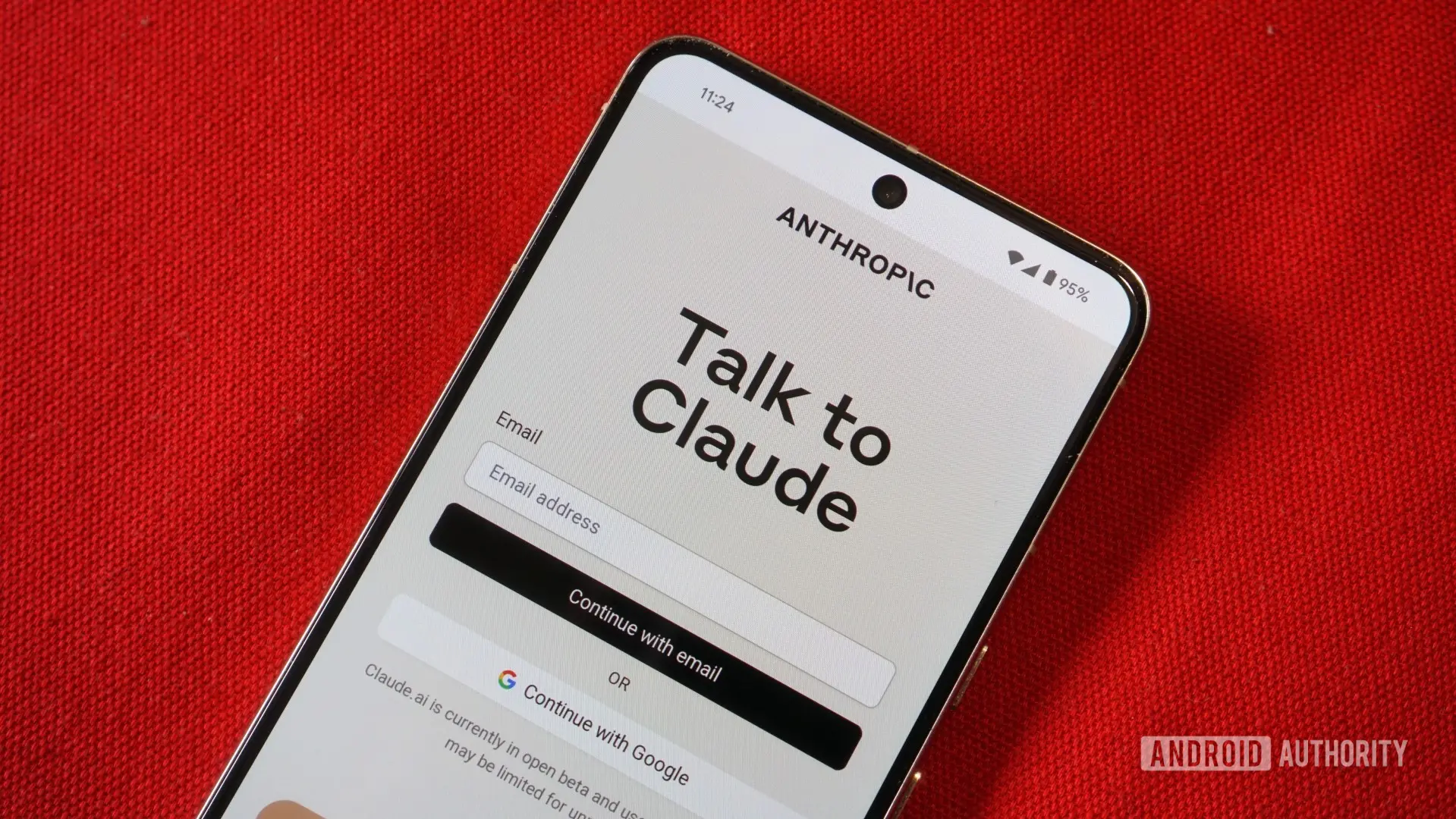
Last week, the US government issued an emergency national security directive that sent shockwaves through the artificial intelligence industry, effectively forcing Anthropic to pull its most advanced AI models — Fable 5 and Mythos 5 — from global availability. Now, just days after the dramatic freeze, the company is striking an optimistic tone. Christopher Ciauri, Anthropic’s Managing Director of International, stated during a press conference in Seoul that the company is “very confident that in the coming days, the models will become available again,” as reported by Korea JoongAng Daily.
Background on the emergency freeze
The sudden shutdown caught the AI community off guard. Anthropic, a San Francisco-based AI safety company founded by former OpenAI researchers, had been widely praised for its cautious approach to deploying powerful models. Fable 5 and Mythos 5 represented the cutting edge of the company’s research, with Mythos 5 in particular being reserved for a highly selective corporate cybersecurity initiative known as Project Glasswing. Project Glasswing had approximately 150 partners, including industry giants like Google, NVIDIA, Microsoft, and Apple. According to Wired, the US government’s security anxiety centered on Mythos 5’s ability to scan, identify, and fix severe vulnerabilities in complex codebases — a capability that, in the wrong hands, could be reversed to discover and exploit critical infrastructure flaws. To manage this risk, Anthropic had restricted Mythos access to that exclusive partnership program.
The trigger for the emergency directive, according to sources familiar with the matter, was a dispute over Anthropic’s decision to include South Korean telecom giant SK Telecom in Project Glasswing and grant it access to Mythos 5. US officials expressed concerns about SK Telecom’s alleged ties to China, though an SK Telecom representative told South Korea’s The Chosun Daily that “the anonymous insider’s remarks in foreign media lack verified facts, and our company has no ties to China.” Anthropic declined to comment on the Wired report, and the White House did not respond to requests for comment.
Anthropic’s expansion plans and the Seoul press conference
The press conference in Seoul was originally intended to mark Anthropic’s expansion into the South Korean market. The company had been building a local team and forging partnerships with domestic firms. However, questions about the recent export controls and Project Glasswing dominated the event. Ciauri declined to comment on most specifics related to the shutdown, instead focusing on the company’s confidence in a near-term resolution. He emphasized that Anthropic is working closely with US authorities to implement the necessary regional guardrails and security patches to satisfy the government’s concerns. The executive did not provide a precise timeline but indicated that restoration could happen within days.
This incident highlights the growing tension between AI development and national security imperatives. As AI models become more powerful, governments around the world are grappling with how to regulate their deployment without stifling innovation. The US has been particularly active in this space, with the Biden administration issuing a series of executive orders on AI safety and requiring developers to report certain training activities. Anthropic has generally been seen as a responsible actor in the industry, voluntarily committing to safety testing and transparency before releasing major models.
Project Glasswing itself was a notable example of Anthropic’s commitment to responsible deployment. By restricting access to only vetted entities, the company aimed to ensure that Mythos 5’s advanced vulnerability-finding capabilities were used for defensive cybersecurity rather than offensive exploitation. Partners like Google and Microsoft were selected based on their strong security postures and alignment with Anthropic’s ethical guidelines. The inclusion of SK Telecom was seen as a step toward globalizing the initiative, but it appears to have triggered US concerns about potential backdoors or data transfers to China.
South Korea’s geopolitical position complicates the matter. As a key US ally in the Asia-Pacific region, South Korea has its own cybersecurity interests and seeks to leverage AI for both economic growth and national defense. SK Telecom, one of the country’s largest telecommunications providers, has extensive infrastructure and partnerships across Asia, including in China. While SK Telecom has firmly denied any improper ties, US intelligence agencies may have classified information that led to their objections. This is not the first time US export controls have targeted AI-related collaboration with South Korean firms; earlier this year, NVIDIA faced restrictions on selling advanced chips to certain Korean data centers.
For paying customers currently locked out of Anthropic’s most capable systems, the focus now shifts to whether the company’s incoming regional guardrails and security patches will be enough to appease Washington. Many enterprises had integrated Fable 5 and Mythos 5 into their workflows, relying on the models for tasks ranging from code analysis to natural language processing. The sudden suspension caused disruptions, but Anthropic has been praised for its communication and for maintaining access to earlier model versions like Claude 3 Opus in the interim.
The broader implications for the AI industry are significant. This incident sets a precedent for how the US government may intervene in the deployment of advanced AI models by domestic companies, especially when international partnerships are involved. It also raises questions about the extent to which private companies can shape their own safety protocols without government interference. Anthropic’s experience may encourage other AI firms to seek pre-clearance from US regulatory bodies before expanding collaborations with foreign entities, particularly those in countries with complex geopolitical alignments.
As the days pass, the AI community watches closely. If Anthropic successfully restores Fable 5 and Mythos 5 within the predicted timeframe, it will demonstrate that collaborative problem-solving between industry and government can work. If delays persist, it could signal a more restrictive era for advanced AI deployment globally. For now, Anthropic’s message is one of cautious optimism. “We are very confident that in the coming days, the models will become available again,” Ciauri reiterated. Users around the world are hoping that confidence is well-placed.
Source: Android Authority News