

Amazon drew approximately $126 billion (£94 billion) in peak demand for its bond sale on Tuesday, according to reports, marking one of the largest ever for a corporate offering. The strong appetite for Amazon's debt underscores continued investor confidence in large technology companies despite broader economic turbulence and rising interest rates.
The bond issuance, which includes as many as 11 tranches on the US high-grade debt market ranging from two to 50 years, and an eight-part euro-denominated offering this week, follows a pattern of tech giants leveraging debt markets to finance massive artificial intelligence (AI) investments. Oracle attracted $129 billion in orders for a bond sale in February, while Meta drew $125 billion in October last year, demonstrating the market's readiness to absorb such large offerings.
Massive Capital Expenditure Plans
Amazon's decision to tap the debt market comes on the heels of its announcement in February that it plans to spend $200 billion on capital expenditures this year, with the majority directed at AI infrastructure. This figure exceeds the spending plans of competitors like Google parent Alphabet and Microsoft. The company's shares fell after the announcement, reflecting investor concern about the near-term returns from these heavy investments.
Chief Executive Andy Jassy defended the spending during a company call with investors, stating, "We're going to invest to be the leader in this space." The investments cover a broad range of AI-related initiatives, including custom AI chips designed to optimize machine learning workloads, advanced robotics for warehouse automation, and low Earth orbit satellites for global connectivity through Amazon's Project Kuiper.
Corporate Debt Market Trends
The bond market has become an increasingly attractive source of funding for technology companies, even as the Federal Reserve maintains elevated interest rates. Amazon previously raised $15 billion in November through its first US bond sale in three years. Alphabet raised more than $30 billion in a multi-currency issuance across dollar, sterling, and Swiss franc denominated debt last month. These moves highlight the strategic shift toward debt as a means to preserve cash for operational flexibility while funding long-term capital-intensive projects.
Investment-grade corporate bonds from large tech firms have seen strong demand from institutional investors, including pension funds and insurance companies, who are drawn to the relatively high yields compared to government bonds and the stability of companies with strong credit ratings. Amazon’s bond sale, which saw $126 billion in orders for what is expected to be a $15 billion to $20 billion offering, reflects this trend.
AI Spending in a Challenging Environment
The tech industry's AI spending spree faces a more difficult climate in 2025, as investors demand clearer evidence of returns from unprofitable AI ventures. Amazon, Google, Microsoft, and other players are pouring tens of billions into building data centers, acquiring powerful GPUs and developing custom silicon. The push for AI dominance has also led to increased energy consumption, prompting companies to invest in renewable energy sources to power their data centers.
Amazon's AI spending includes not only data center construction but also the development of proprietary AI software for its cloud division, Amazon Web Services (AWS). AWS competes with Microsoft Azure and Google Cloud in offering AI services to enterprises. The company's custom Trainium and Inferentia chips are designed to reduce reliance on Nvidia's expensive processors, potentially lowering costs for itself and its cloud customers.
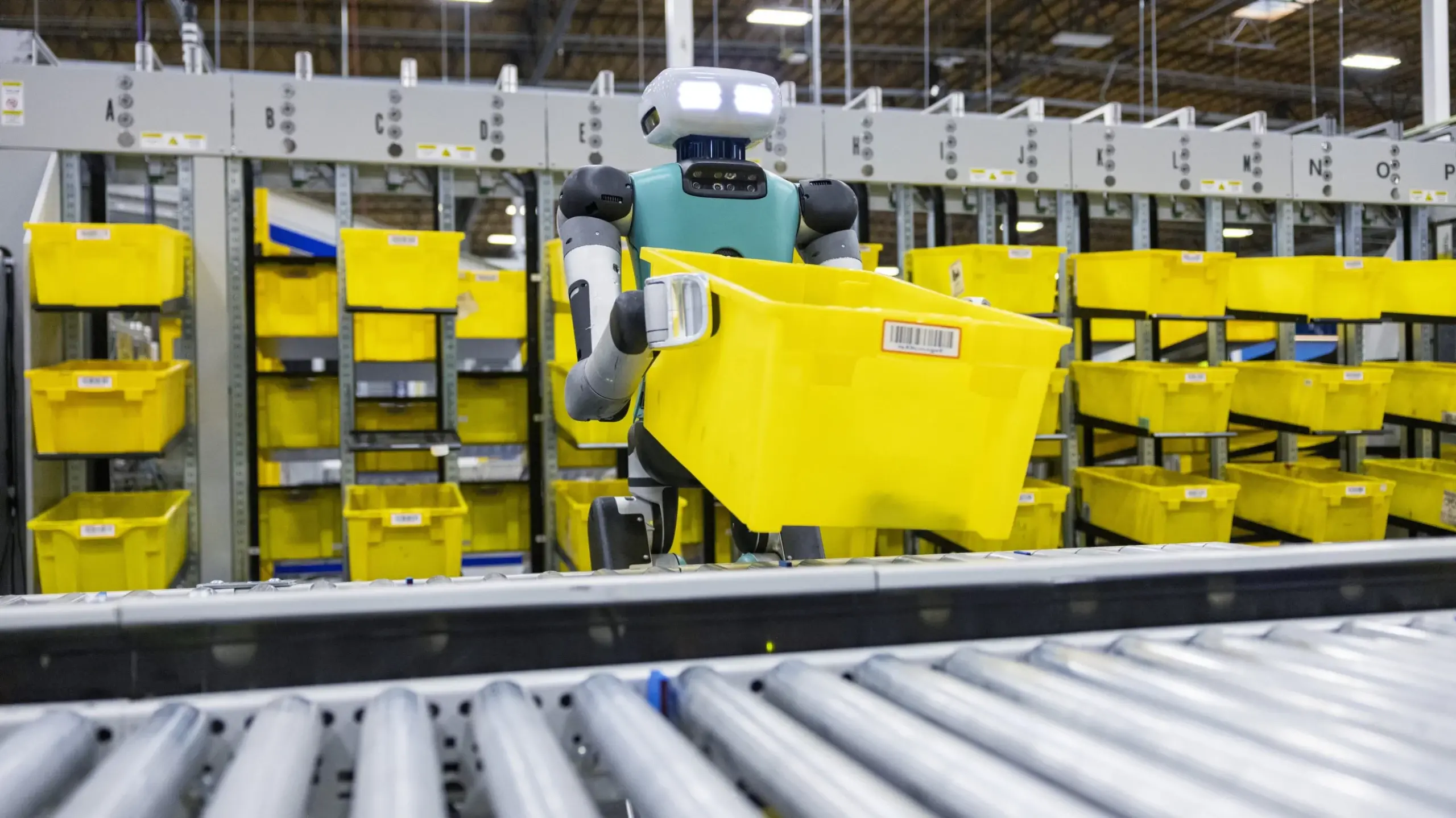
In addition to AI chips, Amazon is investing heavily in robotics to automate its fulfillment centers. The company now uses more than 750,000 robots globally, and the new spending will fund next-generation systems capable of handling complex tasks like packing and sorting. Another major project is Project Kuiper, which aims to launch thousands of satellites to provide broadband internet to underserved areas, competing with SpaceX's Starlink.
Market Reaction and Future Outlook
Despite the initial stock decline following the capex announcement, Amazon shares have partially recovered as analysts examine the long-term potential of AI. The bond market response indicates that debt investors are more focused on Amazon's cash flow and creditworthiness than on short-term profitability. The company reported over $35 billion in free cash flow in the trailing twelve months, providing a cushion for its ambitious spending.
The broader bond market has seen a flurry of activity from tech firms. Meta's $125 billion bond demand in October last year helped it fund AI infrastructure and metaverse-related investments. Oracle's $129 billion order book in February supported its cloud and AI expansion. These numbers highlight the deep pool of capital available to high-quality borrowers, even as the economy faces headwinds from inflation, geopolitical tensions, and regulatory changes.
Amazon's decision to offer bonds in multiple currencies and maturities also reflects a strategic effort to diversify its investor base and manage interest rate risk. The euro-denominated tranches, in particular, allow the company to tap European demand and potentially achieve lower financing costs compared to US dollar bonds.
As the AI race intensifies, the ability to raise large amounts of debt quickly gives companies like Amazon a competitive advantage. However, the heavy reliance on debt also raises questions about leverage if returns fail to materialize. Amazon’s debt-to-equity ratio remains moderate compared to some industrial firms, but the $200 billion capex plan will push it higher in the near term.
The bond sale reaffirms Amazon’s position as one of the most creditworthy companies globally, with an A1/A+ rating from Moody’s and S&P respectively. The strong demand suggests that investors believe Amazon will eventually generate substantial profits from its AI investments, even if the timeline is uncertain. For now, the company continues to bet that being an early and aggressive investor in AI will pay off in the long run, much like its earlier investments in cloud computing and e-commerce did.
Source: Silicon UK News