


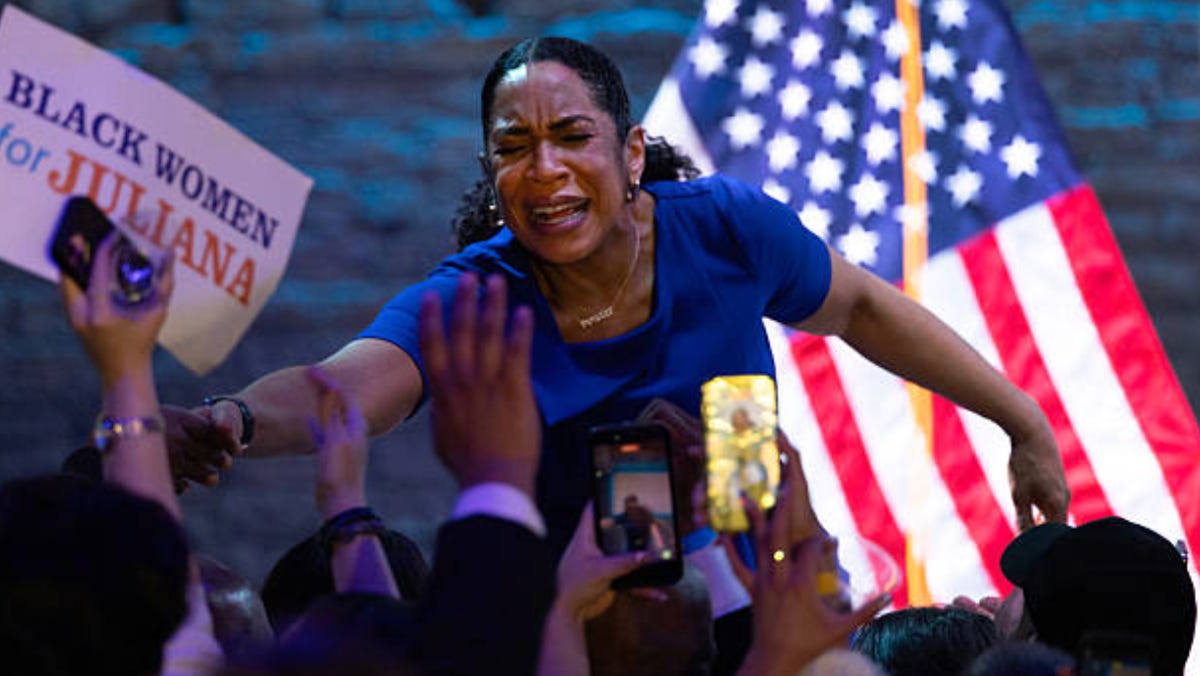
Democratic voters in Illinois seized a significant opportunity to reshape the national party during the March 17 primary, supporting a fresh wave of candidates eager for change. The standout race focused on selecting a successor for long-time U.S. Senator Dick Durbin, who is retiring after serving since 1996.
The Illinois primary was heavily influenced by ongoing national debates, particularly regarding immigration policies under the Trump administration, which saw a surge of enforcement actions in Chicago. The Democratic contenders sought to address these pressing issues as they campaigned for the Senate seat.
Stratton Prevails in Senate Primary
Lt. Gov. Juliana Stratton managed to overcome a significant lead held by Rep. Raja Krishnamoorthi, thanks in part to a well-timed campaign strategy that included bold statements calling for the abolition of the U.S. Immigration and Customs Enforcement agency. Her campaign featured a memorable ad that captured the frustrations of progressive voters towards Trump’s immigration policies.
Stratton’s refusal to endorse Sen. Chuck Schumer as Democratic leader resonated with progressive voters, showcasing her commitment to a more left-leaning agenda. Her close alignment with Governor JB Pritzker, who contributed approximately $5 million to her campaign, bolstered her efforts as she secured a strong lead in key areas, particularly Cook County.
“Tonight’s message is clear: We’re ready to take our democracy back into our own hands,” Stratton declared in her victory speech. She is poised to become one of the few Black women to serve in the Senate, potentially joining Angela Alsobrooks and Lisa Blunt Rochester, marking a historic moment for representation in the upper chamber.
Pritzker's Political Power Shines
Governor Pritzker’s influence was evident during the primary, as he not only endorsed Stratton but also won his own unopposed bid for a third term. His remarks highlighted his commitment to progressive policies, including a new housing plan and efforts to lower electric bills for residents across Illinois. His continued criticism of Trump, whom he labeled as the GOP's “carnival barker-in-chief,” underscores the ongoing rivalry as he prepares for a potential presidential run in 2028.
New Democratic Faces Emerge
The primary results brought forth several newcomers expected to shake up Congress this fall. Notably, Donna Miller defeated Jesse Jackson Jr., halting his comeback attempt in Illinois' 2nd Congressional District. Similarly, La Shawn Ford will take over from Danny Davis in the 7th District, while former Rep. Melissa Bean is set to reclaim her seat in the 8th District, and Evanston Mayor Daniel Biss triumphed in the 9th District.
This shift reflects a growing demand among voters for generational change within the Democratic Party, as these new faces are eager to address contemporary issues and represent the evolving political landscape.
Progressives Challenge AIPAC Influence
The Illinois primaries also highlighted the contentious relationship between progressive candidates and the American Israel Public Affairs Committee (AIPAC). With AIPAC and its affiliates pouring approximately $21 million into these races, many candidates faced challenges as they navigated voter sentiments regarding U.S. foreign policy towards Israel.
In the 8th Congressional District race, Bean's moderate stance allowed her to prevail over progressive candidate Junaid Ahmed, despite AIPAC's significant financial backing. Conversely, Biss’ victory amidst AIPAC's substantial ad spending against him showcases the potential for progressive candidates to succeed even in the face of powerful opposition.
Lessons from Abughazaleh's Campaign
The primary battles also revealed the limitations of influencer-driven campaigns, exemplified by Kat Abughazaleh’s defeat by Biss. Despite her substantial social media following and fundraising prowess, her relatively recent move to Illinois raised questions about her local credibility. Meanwhile, Biss, with deep roots in the community and a history of public service, managed to resonate more effectively with voters.
This election cycle has underscored the complexities of the Democratic Party's internal dynamics, particularly as factions vie for influence. The results suggest that while financial backing and social media presence are impactful, genuine connections with voters remain paramount in securing electoral success.
Source: USA TODAY News