

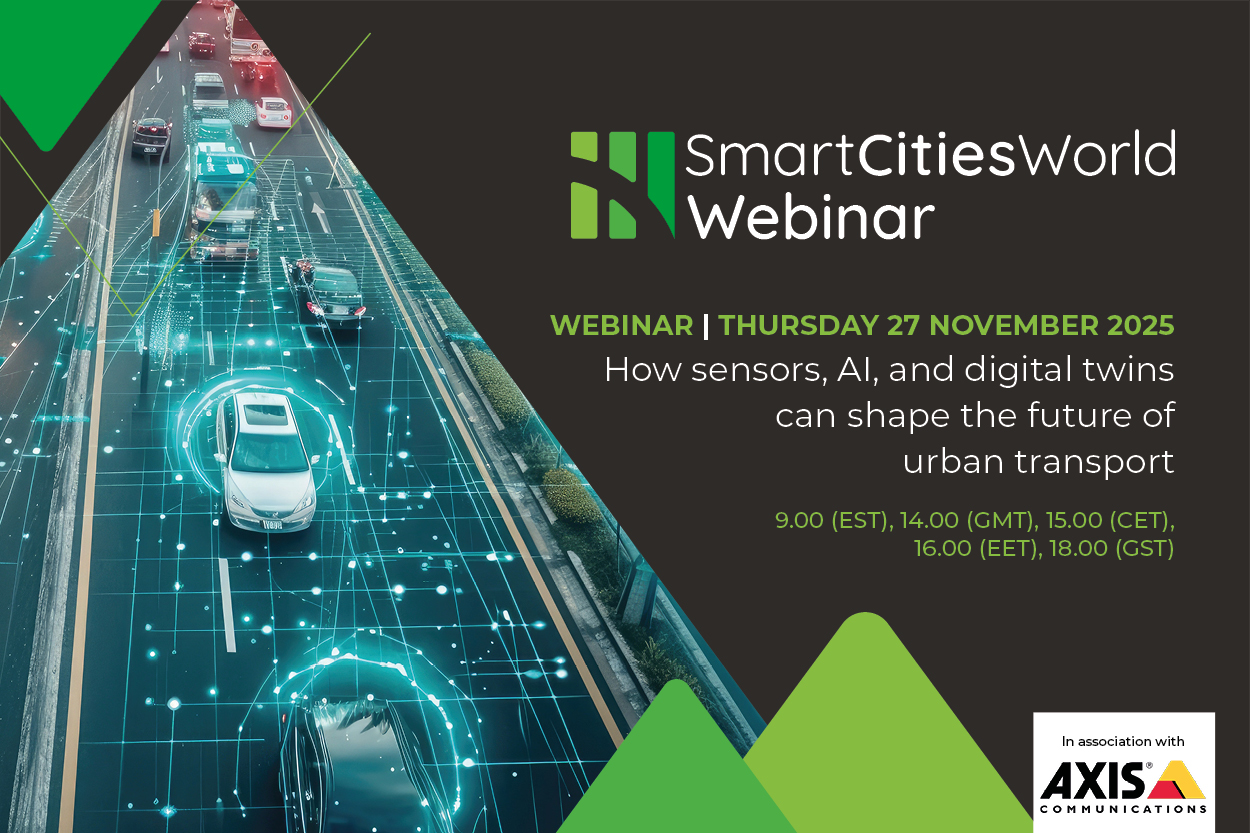
As urban areas continue to grow, the need for efficient and sustainable transport solutions becomes increasingly critical. The integration of advanced technologies such as sensors, artificial intelligence (AI), and digital twins is poised to reshape the future of urban transport, enhancing not only the efficiency of operations but also the overall quality of life in cities.
The Role of Sensors in Urban Transport
Sensors play a pivotal role in collecting real-time data on traffic flow, vehicle speed, and environmental conditions. This information is crucial for urban planners and transport authorities to make informed decisions. With the continuous monitoring capabilities of sensors, cities can identify congestion hotspots and implement timely interventions to alleviate traffic issues.
Harnessing AI for Smarter Transport Solutions
AI technology has emerged as a game-changer in urban transport. By analyzing vast amounts of data collected from sensors, AI algorithms can predict traffic patterns and optimize traffic signal timings. This not only reduces congestion but also minimizes emissions, contributing to a more sustainable urban environment. AI can also enhance public transport systems by providing personalized travel recommendations to users based on their preferences and real-time conditions.
Digital Twins: The Virtual Replicas of Urban Environments
Digital twins are virtual replicas of physical systems, and in the context of urban transport, they provide a dynamic simulation of transport networks. By integrating data from various sources, including sensors and AI analytics, digital twins allow city planners to visualize different scenarios and assess the potential impacts of proposed changes. This technology enables more effective strategy development for future transport initiatives.
Panel Discussions and Webinars on Urban Transport Innovation
To further explore these advancements, a series of webinars and panel discussions have been organized, focusing on the intersection of AI, digital twins, and urban transport. These events aim to gather insights from industry experts and stakeholders on how to leverage these technologies for building more resilient and sustainable urban infrastructures.
Preparing for AI: The Data Groundwork
One upcoming webinar titled "Preparing for AI - Understanding the Data Groundwork" will address the foundational data requirements necessary for implementing AI solutions in urban transport. Experts will share best practices on data collection, management, and analysis, ensuring cities are well-equipped to harness the power of AI.
AI for Resilient Infrastructure
Another significant discussion, "AI for Resilient Infrastructure – Sustainable Operations for Future-Ready Cities," will focus on how AI can enhance the resilience of urban transport systems. The panel will discuss strategies for integrating AI tools that support sustainable operations, ultimately leading to cities that are better prepared for future challenges.
Climate Finance and Urban Capacity Building
The importance of climate finance in enhancing urban transport systems will also be highlighted in the upcoming "Unlocking Climate Finance: Building City Capacity and Partnerships" webinar. This session will explore how financial resources can be mobilized to support innovative transport solutions that align with climate goals.
Engaging the Community in Urban Resilience
Furthermore, the Urban Exchange Podcast Episode 11 features an engaging discussion with Gareth Morgan from Cape Town, focusing on mainstreaming and institutionalizing urban resilience. This episode emphasizes the importance of community involvement in developing transport solutions that meet the diverse needs of urban populations.
Conclusion
As cities navigate the complexities of modern urban transport, the integration of sensors, AI, and digital twins will be essential in creating smarter, more sustainable environments. By leveraging these technologies, urban planners can facilitate efficient transport systems that not only improve mobility but also enhance the overall resilience of cities.
Source: Smart Cities World News