

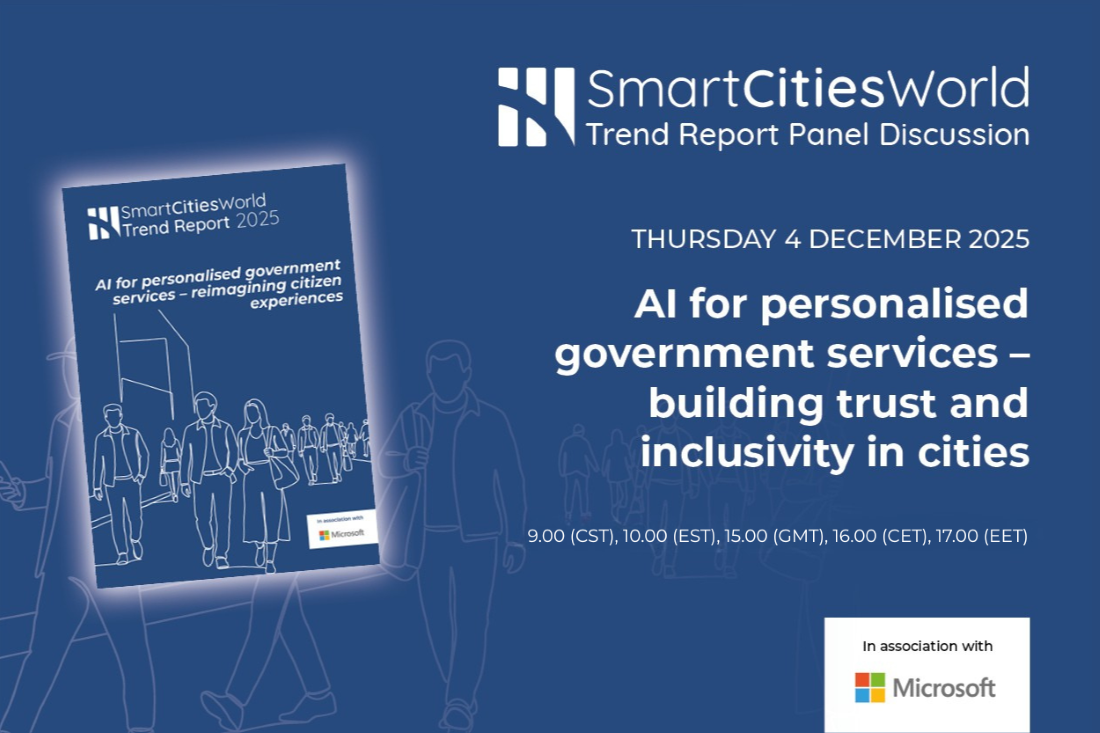
The OnDemand Trend Report Panel Discussion titled 'AI for Personalised Government Services: Building Trust and Inclusivity in Cities' brings together leading experts to discuss the potential of artificial intelligence in enhancing government services. As cities evolve into smart urban environments, the integration of AI technologies becomes crucial for fostering a more inclusive and transparent relationship between governments and their citizens.
Introduction to AI in Government Services
Artificial intelligence has the potential to revolutionise the way government services are delivered, ensuring that they are more tailored to the needs of individual citizens. This panel aims to explore the various applications of AI in public services, with a focus on how these technologies can help build trust and inclusivity in urban settings.
Key Insights from the Panel
During the discussion, panelists highlighted several key areas where AI can make a significant impact:
- Personalisation of Services: AI can analyse vast amounts of data to understand individual citizen needs and preferences, allowing governments to offer more personalised services. This can lead to increased satisfaction and engagement from the public.
- Building Trust: By leveraging AI to provide transparent and efficient services, governments can build trust with their constituents. Citizens are more likely to engage with services that they feel are designed with their best interests in mind.
- Enhancing Inclusivity: AI tools can help identify and address the needs of underrepresented communities, ensuring that all citizens have access to vital services. This is particularly important in diverse urban environments.
- Data Security and Privacy: While AI offers many benefits, concerns around data security and privacy must be addressed. The panel discussed strategies for ensuring that citizens' data is protected while still allowing for the effective use of AI.
Case Studies and Success Stories
The panelists shared success stories from various cities that have implemented AI-driven initiatives. These examples included:
- Smart City Initiatives: Cities that have adopted AI in their infrastructure management have seen improvements in service delivery, from waste management to public safety.
- Citizen Engagement Platforms: Platforms that utilise AI to facilitate communication between citizens and government officials have proven effective in gathering feedback and addressing public concerns in real-time.
Challenges and Considerations
Despite the promise of AI in government services, several challenges remain. The panel discussed the importance of training government employees to work with AI technologies and the need for ongoing investment in digital infrastructure. Additionally, ethical considerations surrounding AI deployment were a hot topic, with panelists urging for guidelines that ensure equitable access to AI benefits.
Looking Ahead
As cities continue to evolve, the role of AI in government services will only expand. The panel concluded that ongoing collaboration between technology providers, government agencies, and citizens is essential to harness the full potential of AI for creating more inclusive and trustworthy urban environments.
This discussion is part of a growing trend towards integrating advanced technologies into public service delivery, paving the way for smarter, more responsive city governance.
For those interested in further exploring the intersection of AI and urban governance, additional resources and discussions will be available through upcoming webinars and panel talks.
Source: Smart Cities World News