

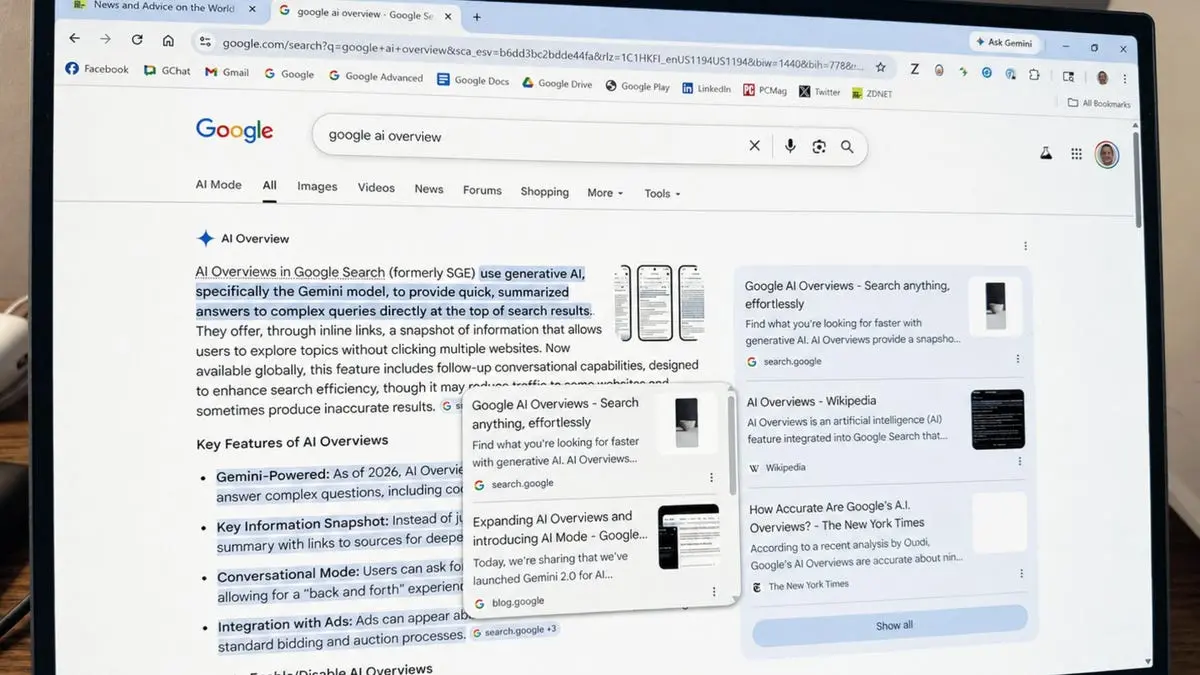
Google has announced a significant update to its AI Overviews, introducing five new features that aim to make search results more informative and transparent. The changes focus on surfacing advice from real people, improving access to trusted news sources, and providing clearer links to the original content used to generate the summaries.
1. View Advice from Other People
The most notable addition is the 'Expert Advice' section, which will now appear within AI Overviews. This section pulls short quotes and tips from discussion forums, social media platforms, and other online communities where people share their experiences and knowledge. For example, if you search for tips on photographing the northern lights, the overview might display advice from a photography forum about exposure settings and composition. Each piece of advice includes the name of the person or forum and a clickable link to the full discussion, allowing you to engage with the community or explore more perspectives.
This feature addresses a common search need: hearing from others who have firsthand experience. Instead of relying solely on formal articles or guides, users can now quickly access crowdsourced wisdom without having to manually browse multiple forums. Google says the system surfaces content that is helpful, relevant, and properly attributed.
2. Access Your News Subscriptions
Another important update is the integration of news subscription links. If you have an active subscription to a participating publication—such as major newspapers or tech sites—AI Overviews will highlight links to that publisher's content directly in the summary. This means you can easily click through to read the full story behind the AI-generated snippet, provided you are logged in as a subscriber.
Google reports that early tests showed a significant increase in click-through rates when links were labeled as subscriptions. Publishers can enable this feature via the Subscription Linking page, ensuring their paying readers can seamlessly access their content even when it appears in an AI-powered search result. This move is seen as a way to support journalism while improving user experience.
3. See Links to the Sources in the Summary
Transparency is a key theme of this update. Google is now placing source links directly next to the relevant text within the AI Overview. Previously, sources were often listed at the bottom of the summary or not clearly tied to specific claims. Now, if you see a bullet point about terrain for a bike tour in California, a link to a Pacific Coast bike touring guide will appear right next to that point. Similarly, a bullet about daily mileage might link to a blog on bike ride training.
This inline citation makes it easier for users to verify facts, dive deeper into specific subtopics, and assess the credibility of the information provided. It also encourages users to explore original sources rather than relying solely on the AI summary.
4. Explore Additional Sources
In addition to the sources used to generate the overview, Google is adding a section that suggests even more resources on the same topic. This appears below the AI summary and contains links to articles, analyses, and case studies that cover different aspects of the subject. For example, a search about adding green spaces to cities might show links to a case study on Seoul's stream restoration and a report on New York City's High Line park.
This feature helps users broaden their understanding and discover content they might not have encountered otherwise. It also provides publishers with additional visibility, as the suggested sources are curated based on relevance and authority.
5. Preview Linked Websites in the Summary
Finally, Google is introducing hover previews for links within AI Overviews. When you move your cursor over a link, a small pop-up will show the name or title of the website, helping you decide whether to click. This is especially useful when the link's destination is unclear from the anchor text alone.
The preview aims to reduce hesitation and increase confidence when navigating away from the search results page. Users can quickly determine if the site is trustworthy or relevant before committing to a click. Google notes that this is part of a broader effort to improve the visibility and helpfulness of links in generative AI search experiences.
These five updates reflect Google's ongoing commitment to refining AI Overviews. By incorporating human voices, improving source attribution, and offering more pathways for exploration, the company hopes to make search results more useful and trustworthy. The changes are being rolled out gradually, and users can expect to see them in the coming weeks.
For those who frequently rely on AI Overviews, the new features represent a meaningful step forward. The ability to see advice from other people, access subscription content, and easily verify sources can help users get more complete answers without leaving the search ecosystem. As AI continues to evolve, such enhancements may become standard across all search platforms.
Source: ZDNET News