

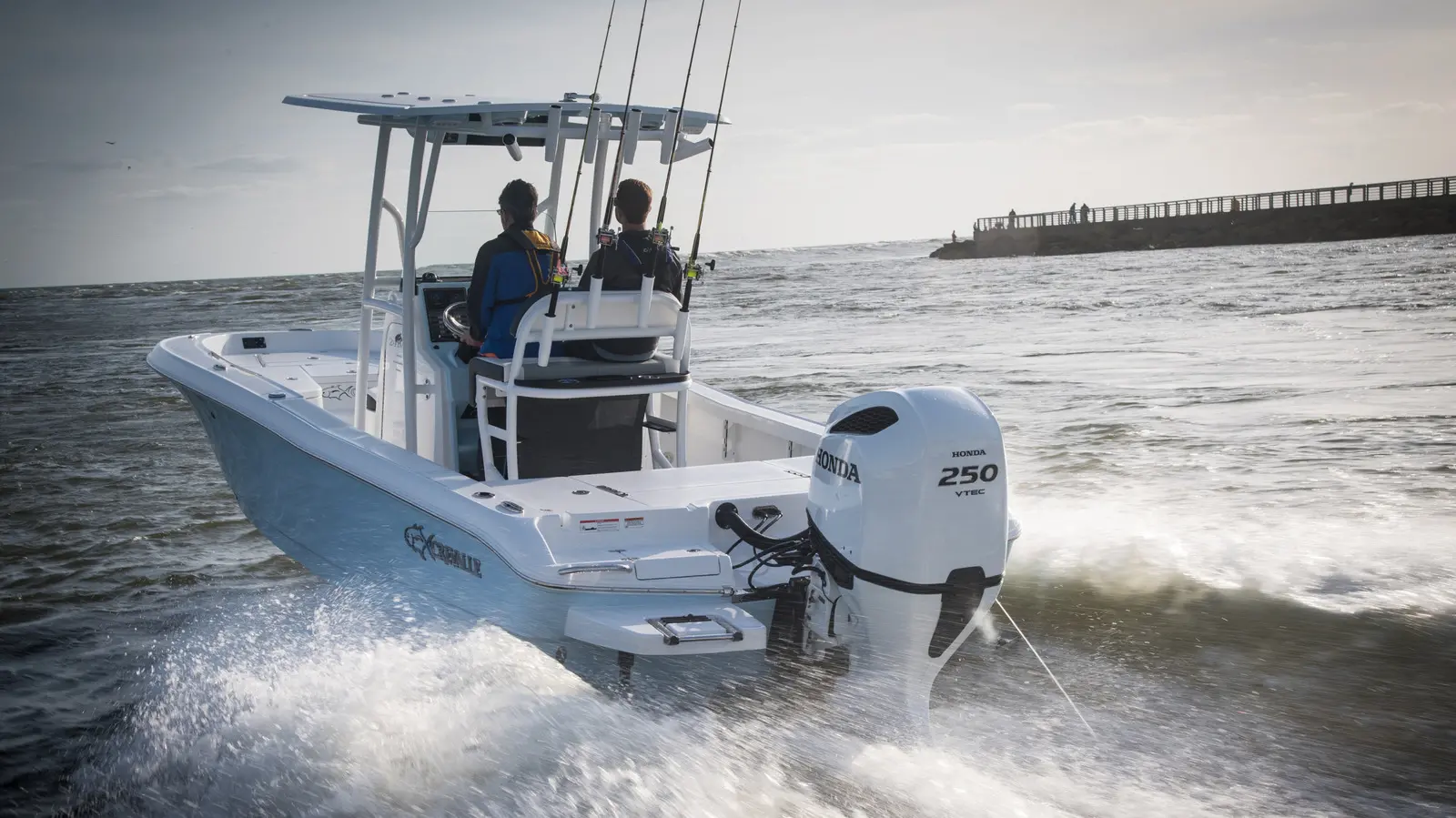
Compared to a car engine, a marine engine, especially an outboard motor, has a very rough life. It is constantly subjected to water—often saltwater—and it endures relentless jostling as it bumps up and down on waves. The average Yamaha outboard motor, particularly the most powerful models, operates under far harsher conditions than any automobile engine. Understanding how long these motors last and what influences their longevity is essential for every boat owner, whether you use your vessel for commercial fishing or weekend recreation.
Measuring Lifespan in Hours
Unlike a car engine, whose life is measured in miles driven, an outboard motor’s lifespan is quantified in hours of operation. This metric is similar to how lawnmowers or tractors are evaluated—equipment that runs at steady speeds for long periods. In the past, a typical recreational outboard would only survive about 800 to 1,000 hours before requiring major repairs or a complete rebuild. However, there is no hard-and-fast number; many factors influence how many hours an outboard can deliver before it begins to show signs of wear.
The shift to hour-based measurement makes sense because outboards spend most of their time at a relatively constant rpm (often around 3,000 to 5,000 rpm under normal cruising), unlike cars that experience diverse driving cycles. A single hour at full throttle may degrade an engine much faster than several hours at idle, so total hours alone don't tell the whole story. Nonetheless, the industry standard has long been to treat 1,500 hours as a benchmark for major service intervals on modern gasoline outboards.
Old vs New: The Evolution
Twenty years ago, outboard motors were simpler but far less durable. Two-stroke engines dominated the market, and their design led to higher oil consumption, more frequent carbon buildup, and greater susceptibility to corrosion from saltwater. A well-maintained two-stroke outboard from the 1990s might last 800 hours before needing a top-end rebuild. Four-stroke outboards began to gain popularity in the 2000s, offering cleaner combustion, lower noise, and significantly longer service lives. Today’s four-stroke outboards—even many high-output models—are capable of surpassing 3,000 hours with consistent care.
Manufacturers have invested heavily in corrosion-resistant materials, such as specialty alloys and multi-layer paint systems, to protect internal components. The use of closed-loop cooling systems and pressurized lubrication has also improved reliability. Electronic fuel injection (EFI) has largely replaced carburetors, providing more precise fuel-air mixtures and eliminating many issues caused by stale fuel or improper starting procedures. As a result, modern outboard engines can log thousands of hours without major work, a dramatic improvement over their ancestors.
The Critical Role of Maintenance
The absolute most important factor determining longevity is maintenance. Well-maintained engines can accumulate thousands—even tens of thousands—of hours because the operator adheres to maintenance schedules borderline religiously. Keeping up with regular service is the same reason you see old F-150s, Chevy Tahoes, or Toyota Camrys climb to 300,000 or 400,000 miles before complaining. On outboards, routine tasks include changing the oil and filter, replacing spark plugs, inspecting and lubricating the propeller shaft, flushing the cooling system after every saltwater use, and checking the fuel system for water or debris.
But not everyone relies on their boat engines professionally. For the average boater who just goes out recreationally, a gas-powered marine engine will run for about 1,500 hours before needing substantial work or a rebuild. This figure aligns with the typical break-even point where cumulative maintenance costs approach the value of a new engine. For commercial users—such as fishing guides or water taxi operators—outboards often undergo major overhauls at around 3,000 hours, as the engines are run at or near full throttle for extended periods. The difference is almost entirely due to maintenance intensity and operating conditions.
Warranties and Modern Reliability
Manufacturers recognize the improved durability of modern outboards and back them with increasingly robust warranties. Honda, for instance, offers a five-year warranty for commercial outboard engines that covers catastrophic defects. This warranty is even transferable if you’re buying a used engine, which adds considerable resale value. Mercury Marine, a high-performance brand known for its Verado and Pro XS series, provides warranties of up to three years for its motors. Yamaha’s standard warranty on new outboards typically ranges from two to five years depending on the model and application. These warranties reflect the confidence builders have in their products, but they also come with strict maintenance requirements—failure to follow the service schedule can void coverage.
The bottom line is: if you want your outboard motor to last, keep it maintained. Regularly flushing the engine with fresh water after saltwater use, winterizing the fuel system before storage, and storing the boat in a covered area can extend the engine’s life by hundreds of hours. Corrosion is the silent killer; even a single season of neglect can cause pitting in the water jacket or seized fasteners that lead to catastrophic failure.
Tips for Maximizing Outboard Life
To get the most out of your outboard, start with the owner’s manual and follow every recommended service interval. Use only high-quality marine-grade oil, and consider using fuel stabilizers to prevent ethanol-related degradation. Check the sacrificial anodes annually—if they have corroded more than 50%, replace them to protect the lower unit. Inspect the propeller for dings or bent blades, as a damaged prop can cause vibration that wears out the bearings and seals prematurely. For two-stroke engines, avoid prolonged idling to prevent carbon fouling; for four-strokes, be sure to warm up the engine thoroughly before reaching full throttle.
Seasonal storage is another critical factor. A winterizing procedure that includes fogging the cylinders, draining the fuel system or adding stabilizer, and disconnecting the battery can prevent rust and gumming. In warmer climates, if the boat sits unused for weeks, run the engine at least once per week to keep seals lubricated and fuel fresh. Finally, consider an annual professional inspection—a certified marine technician can catch minor issues like a leaking seal or corroded electrical connection before they become expensive repairs.
While the average lifespan of an outboard motor continues to climb thanks to engineering advances, the human element remains decisive. A neglected outboard may fail at 500 hours, while the same model with meticulous care could exceed 3,000 hours. The choice is largely yours. Whether you run a Yamaha, Honda, Mercury, or Evinrude, the principles are identical: treat the engine with respect, use fresh fuel, and keep corrosion at bay. In the world of outboards, hours may be the official currency, but maintenance is the bank account that determines how long your investment lasts.
Source: SlashGear News