

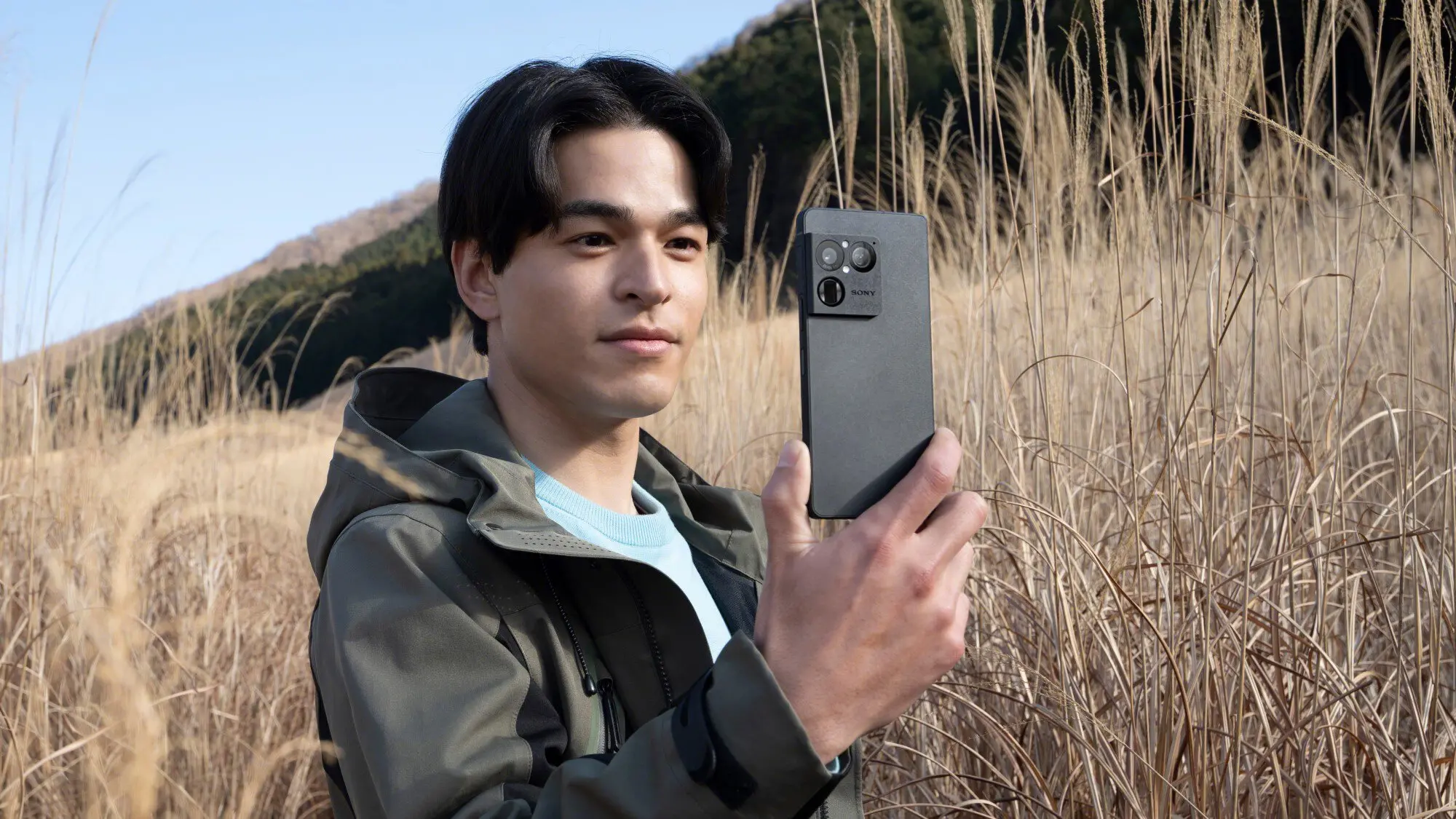
Sony recently found itself at the center of an online storm following the launch of its Xperia 1 VIII smartphone. The controversy stemmed from the new AI Camera Assistant feature, which the company promoted with side-by-side comparisons that quickly became the butt of jokes across social media. Now, Sony has issued a response, but for many, it only deepens the mystery.
The Backlash
The trouble began when Sony shared promotional images showcasing the AI Camera Assistant. The tool is designed to analyze a scene and offer four different setting suggestions, each aimed at a creative direction. However, in the initial set of comparisons, every AI-generated suggestion appeared significantly worse than the original photo. The images looked washed out, overexposed, and lacking in contrast. The internet reacted swiftly, with notable figures like Carl Pei (founder of Nothing) and Marques Brownlee (popular tech reviewer) joining the chorus of mockery. Pei tweeted a wry comment about the feature, while Brownlee posted a meme questioning Sony's judgment. The backlash was so intense that it dominated tech discussions for days.
Sony's Response
To its credit, Sony did not delete the controversial images or remain silent. Instead, the company posted a detailed explanation on X (formerly Twitter). Sony clarified that the AI Camera Assistant does not edit photos after shooting; rather, it suggests four settings in different creative directions based on the scene and subject. Users can choose any option or stick with their own settings. The company also provided a new set of examples that, admittedly, looked much better this time. These images avoided the washed-out and overexposed look of the first batch, showing more natural and appealing results. However, this response raised additional questions. Why did Sony use the initial, inferior images in its marketing campaign? Does the company truly believe those original AI suggestions were superior to the untouched originals? For a brand renowned for its camera expertise—Sony's sensors are used in many competing smartphones and professional cameras—such a misstep is puzzling.
Remaining Questions
The incident highlights a broader issue: the gap between technical capability and marketing execution. Sony's imaging division is world-class, but the marketing team responsible for these comparisons may have lacked the photographic eye to judge the outputs critically. Alternatively, the AI might have been over-optimized for a specific style that didn't translate well to the selected test scenes. The fact that the new examples look better suggests that the AI can produce reasonable results, but the initial selection was poor. Another concern is the pressure on companies to showcase AI features, often before they are fully refined. In the race to embed artificial intelligence into every product, brands sometimes rush to market with half-baked implementations. Sony's AI Camera Assistant may have potential, but the first impression has been damaged. This could affect consumer trust, especially among photography enthusiasts who expect high standards from Sony.
The Context of AI in Photography
Artificial intelligence has become a staple in modern smartphone photography. From Google's computational photography to Apple's Deep Fusion, AI is used to enhance dynamic range, reduce noise, and improve color accuracy. Sony's approach—offering creative suggestions rather than automatic corrections—is unique but not unprecedented. Other brands like Huawei and Samsung have experimented with similar features. The key difference is that Sony's marketing failed to demonstrate clear benefits. In an era where even mid-range phones take excellent photos with minimal user intervention, an AI tool that produces worse results is a tough sell. The backlash also underscores the importance of quality control in marketing materials. When a company known for cameras releases images that look amateurish, it invites ridicule. Sony's response, while transparent, did not fully explain the decision-making process behind the initial images. It also did not address whether the AI Camera Assistant will be improved via updates or if the tool is still in its early stages.
Broader Implications
This episode serves as a cautionary tale for the tech industry. AI features are expected to simplify tasks and improve outcomes, but when they fail in a highly visible way, they can undermine confidence in the entire product. For Sony, the Xperia 1 VIII is a flagship device that aims to compete with the best Android phones. The AI Camera Assistant was supposed to be a differentiator, but now it's a subject of memes. The company's next steps will be crucial: it must ensure that the feature delivers consistent, high-quality results and that future marketing campaigns are vetted by experts. Additionally, Sony should consider engaging with the community to rebuild trust. As the lines between software and hardware continue to blur, the role of AI in photography will only grow. Sony's misstep is a reminder that even the most advanced technology must be presented thoughtfully. The industry will be watching to see how Sony recovers from this public relations setback and whether the AI Camera Assistant can live up to its potential in real-world use.
The new examples provided by Sony show that the tool can work well, but the initial gaffe has left a lasting impression. Moving forward, the company must balance innovation with careful presentation. For now, the questions linger: why those images, and what does Sony really think about its own AI's output? The answers remain as elusive as a perfectly exposed shot in harsh midday sun.
Source: Android Authority News