

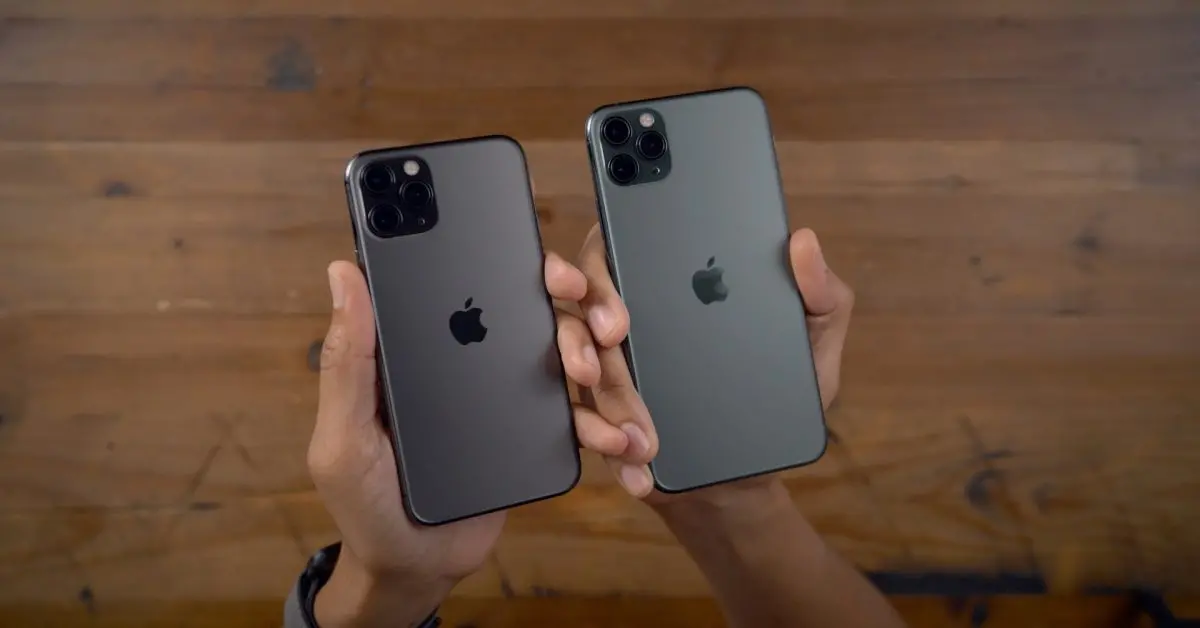
iOS 27 is set to be unveiled on June 8 at WWDC, and early rumors indicate that Apple may drop support for four iPhone models. According to a leak from Chinese social media platform Weibo, the upcoming software update will not be compatible with the iPhone 11, iPhone 11 Pro, iPhone 11 Pro Max, and the second-generation iPhone SE. If true, this would mark the second consecutive year Apple has removed several older models from its major iOS update cycle.
iOS 27 compatibility list
The leak, posted by the well-known account Instant Digital, includes a full list of claimed supported iPhone models for iOS 27. Missing from the list are the four devices mentioned above, all of which currently run iOS 26. The implication is that iOS 27 will require at least an iPhone 12 or later. For the iPhone SE lineup, the cutoff would be the third-generation model, leaving the popular 2020 SE out of the upgrade path.
This aligns with Apple's historical pattern of supporting iPhones for about five to six years after initial release. The iPhone 11 series launched in September 2019, making it nearly seven years old by the time iOS 27 is released. The iPhone SE 2 debuted in April 2020, so it will be just over six years old. Given Apple's increasing focus on hardware-dependent features like Apple Intelligence, dropping older models is becoming more common.
Historical context
Last year, iOS 26 dropped support for the iPhone XS, iPhone XS Max, and iPhone XR. Those devices were released in 2018 and 2019, meaning Apple provided six years of major software updates for them. If iOS 27 follows the same pattern, the iPhone 12 and later will be the oldest supported devices. The iPhone 12 launched in 2020, so the support window would shrink to five years for that generation.
Apple's approach to software support has traditionally been generous compared to many Android manufacturers. However, as the company integrates more advanced artificial intelligence features that rely on the Neural Engine and other custom silicon, older chips may no longer meet the performance requirements. The A13 Bionic chip in the iPhone 11 series still delivers solid performance for everyday tasks, but it lacks the 16-core Neural Engine found in the A14 and later chips, which may power many of iOS 27's key features.
Impact on users
For owners of the iPhone 11 or iPhone SE 2, being left out of iOS 27 means missing out on new features like Siri's rumored major overhaul, Liquid Glass design changes, and other innovations. While iOS 26 will continue to receive security updates and bug fixes for a time, users will eventually need to upgrade their hardware to stay current. The iPhone 11 lineup remained popular for years thanks to its solid camera system and long battery life, but the end of major OS updates signals the twilight of that era.
The iPhone SE 2, meanwhile, has been a favorite for those wanting a smaller, lower-cost device with a Touch ID fingerprint sensor. Its A13 Bionic chip is still capable, but Apple's decision to require at least an A15 Bionic (as in the iPhone SE 3) for iOS 27 suggests that some AI-driven features may need the improved machine learning accelerators. Users who rely on the iPhone SE 2 may feel pressure to upgrade to the third-generation model or consider an iPhone 12 or later.
What's new in iOS 27
Beyond the compatibility changes, iOS 27 is expected to bring significant updates. Rumors point to a major overhaul of Siri, leveraging large language models to make the assistant more conversational and context-aware. Also anticipated are Liquid Glass design changes, which could introduce fluid, translucent UI elements reminiscent of the visual styling seen in visionOS. Many of these features are said to depend on Apple Intelligence, a suite of on-device AI capabilities that require the enhanced Neural Engine found in the A17 Pro and later chips (iPhone 15 Pro and newer).
This means that even if a user's iPhone can run iOS 27, they may not get the full feature set. For example, iPhone 12, 13, and 14 models may still support the base operating system but could lack advanced AI features that require the latest hardware. Apple has taken a similar approach in the past, gating certain features like Live Text and Visual Look Up to devices with specific chips. This fragmented support model encourages users to upgrade to the latest hardware, but it can be confusing for consumers.
Should you upgrade?
If you own an iPhone 11 or iPhone SE 2, and staying on the latest software is important to you, now may be the time to start looking at newer models. The iPhone 15, iPhone 16, or even an iPhone 12 or 13 from the used market would guarantee iOS 27 compatibility. However, for users who are satisfied with their current device's performance and do not need the latest features, iOS 26 will remain functional for at least another year. Apple typically supports the previous major iOS version with security patches for one to two years after a new version is released.
It is also worth noting that leaks are not always accurate. While Instant Digital has a track record of reliable Apple rumors, nothing is official until Apple announces iOS 27 at WWDC. Some analysts have predicted that Apple may extend support to the iPhone 11 series for one more year, given the relatively strong performance of the A13 chip. However, the trend toward hardware-dependent features makes it increasingly likely that older models will be left behind.
For those in the Apple ecosystem, the accessory market also provides options to extend the longevity of older devices. Cases, battery packs, and MagSafe chargers remain widely available for the iPhone 11 and SE 2, and many third-party accessories are designed to work across multiple generations. However, the lack of future software updates will eventually limit app compatibility and security.
Overall, the potential drop of four iPhone models from iOS 27 underscores Apple's aggressive push into AI and its desire to provide a premium experience only possible with the latest hardware. Users should weigh their options carefully and consider whether the new features justify the cost of an upgrade.
Source: 9to5Mac News