

Introduction
Welcome to this week's Techopedia Consumer Report, where we explore the latest developments shaping the consumer technology landscape. From mandatory age verification on mobile devices to new privacy debates sparked by FCC robocall rules, the tech industry continues to evolve rapidly. This edition also covers Fitbit's transformation into Google Health, Amazon's transparency push with price history, leaked images of Samsung's smart glasses, Apple's critical iPhone patch, Google's Gemini AI enhancements, and the end of support for older Kindle models. Each story reveals deeper trends in regulation, privacy, and the lifecycle of connected devices.
Age Verification Is Coming to Your Phone, Turning Devices Into Gatekeepers
Governments and tech companies are increasingly pushing for age verification systems embedded directly into smartphones. These systems would require users to prove their age before accessing certain services, effectively turning devices into digital gatekeepers. While proponents argue this protects minors from harmful content, critics raise serious privacy concerns. Implementing such verification often involves biometric data, government IDs, or behavioral analysis, creating vast databases that could be vulnerable to breaches. The shift also raises questions about who controls access and what happens to verification data after use. As legislation like the UK's Online Safety Act and various US state laws move forward, consumers face a trade-off between safety and anonymity. The technology is still maturing, with options ranging from AI-based age estimation to blockchain-backed attestations. Industry observers predict that within five years, most new phones will ship with built-in age verification capabilities, fundamentally altering how we prove our identity online.
FCC Proposes Tougher Robocall Rules, Raising New Privacy Questions
The Federal Communications Commission has proposed stricter regulations to combat the relentless wave of robocalls and spam texts. The new rules would require carriers to implement call authentication technologies like STIR/SHAKEN more aggressively and block calls from numbers that fail verification. However, cybersecurity experts warn that these measures could inadvertently create new privacy risks. By forcing carriers to analyze call metadata and behavioral patterns, the FCC may enable broader surveillance of communications. Consumers could see fewer nuisance calls, but at the cost of reduced anonymity. The proposal also includes provisions for caller ID spoofing penalties and expanding the Do Not Call registry. Critics argue that while robocalls are a nuisance, the solution must not undermine Fourth Amendment protections. The FCC is seeking public comment before finalizing the rules, which could take effect later this year. This balance between consumer protection and privacy remains one of the most contentious issues in telecommunications policy.
Fitbit App Becomes Google Health as AI Coaching Takes Center Stage
Fitbit users are experiencing a significant transition as the app rebrands to Google Health, integrating deeper with the tech giant's AI ecosystem. The new platform leverages machine learning to provide personalized coaching, analyzing sleep patterns, activity levels, heart rate variability, and more. Google's acquisition of Fitbit in 2021 has always raised concerns about data integration with its advertising empire, though the company vows to keep health data separate. The update introduces AI-generated workout recommendations and wellness insights, but also requires users to accept new terms of service. Long-time Fitbit enthusiasts worry that the unique community-driven aspects of the original platform may be lost. Meanwhile, healthcare professionals see potential in using aggregated, anonymized data for population health research. The transition marks a critical test of whether big tech can responsibly handle sensitive health information. Users must decide between advanced AI coaching and the simplicity of the original Fitbit experience. As the rollout continues, compatibility with older devices and third-party apps remains uncertain.
Amazon Extends Price History Tool to One Year, Providing Much-Needed Transparency Around Deals
Amazon has expanded its price history tracking feature from three months to a full year, giving consumers a clearer picture of past pricing trends. This move addresses long-standing criticism of Amazon's opaque pricing strategies, where flash sales and time-limited deals often obscure true product value. The tool allows shoppers to see the lowest and highest prices over the last 12 months, helping them determine if a current sale is actually a good deal. The change comes as Amazon faces increased antitrust scrutiny in both the US and Europe regarding its dominance in e-commerce. Transparency advocates welcome the update but note that Amazon still manipulates listing positions and search results to favor its own products. Competitors like CamelCamelCamel have offered longer price histories for years, highlighting the gap between third-party tools and Amazon's own data. Nonetheless, the extension is a step forward for consumer rights, potentially reducing impulse buys driven by false urgency. Sellers may need to adjust their pricing strategies as buyers become better informed. Amazon's decision reflects a broader push toward transparency in digital marketplaces.
Samsung’s Answer to Meta’s Ray-Ban Smart Glasses Revealed in Leaked Images
Leaked images have surfaced purporting to show Samsung's upcoming entry into the smart glasses market, directly challenging Meta's Ray-Ban partnership. The design appears sleeker than Meta's current model, with integrated cameras, bone conduction speakers, and a compact battery housing. Reports suggest Samsung is collaborating with Google to power the glasses with a modified version of Android and Google Assistant, focusing on everyday utility rather than augmented reality overlays. The leaked images show touch controls on the temple and a LED indicator for recording. Samsung aims to differentiate by offering better audio quality and deeper integration with Galaxy devices, including real-time translation and notification filtering. Privacy advocates are wary, given the implications of always-on cameras and microphones. Meta's Ray-Ban Stories have faced criticism for unobtrusive recording, and Samsung will need robust consent mechanisms. The glasses are expected to launch in late 2024, positioning Samsung as a major contender in the emerging wearables category. If successful, they could reshape how we interact with digital information while navigating the physical world.
Apple Patches iPhone Bug Exploited by Police to Recover Deleted Chats, But Privacy Questions Persist
Apple has released a security patch for an iOS vulnerability that law enforcement agencies had been using to recover deleted messages and call logs from locked iPhones. The bug allowed forensic tools to bypass encryption by exploiting weaknesses in the kernel, granting access to previously deleted data stored in slack space. While Apple swiftly closed the exploit, the incident reignites debates over encryption backdoors and government access. Critics argue that such vulnerabilities are inevitable in complex software and that police should not rely on secret bugs to gather evidence. The patch protects users by ensuring deleted data is overwritten more securely, but questions remain about whether Apple intentionally leaves certain access points open for lawful intercept. Civil liberties groups demand transparency around Apple's compliance with government requests. The company maintains its commitment to user privacy, yet the case highlights the cat-and-mouse game between device security and investigative tools. Consumers are reminded to regularly update their devices and consider stronger passcodes or biometric locks.
Gemini’s ‘Continued Conversation’ Feature Makes Google’s AI More Practical for Smart Homes
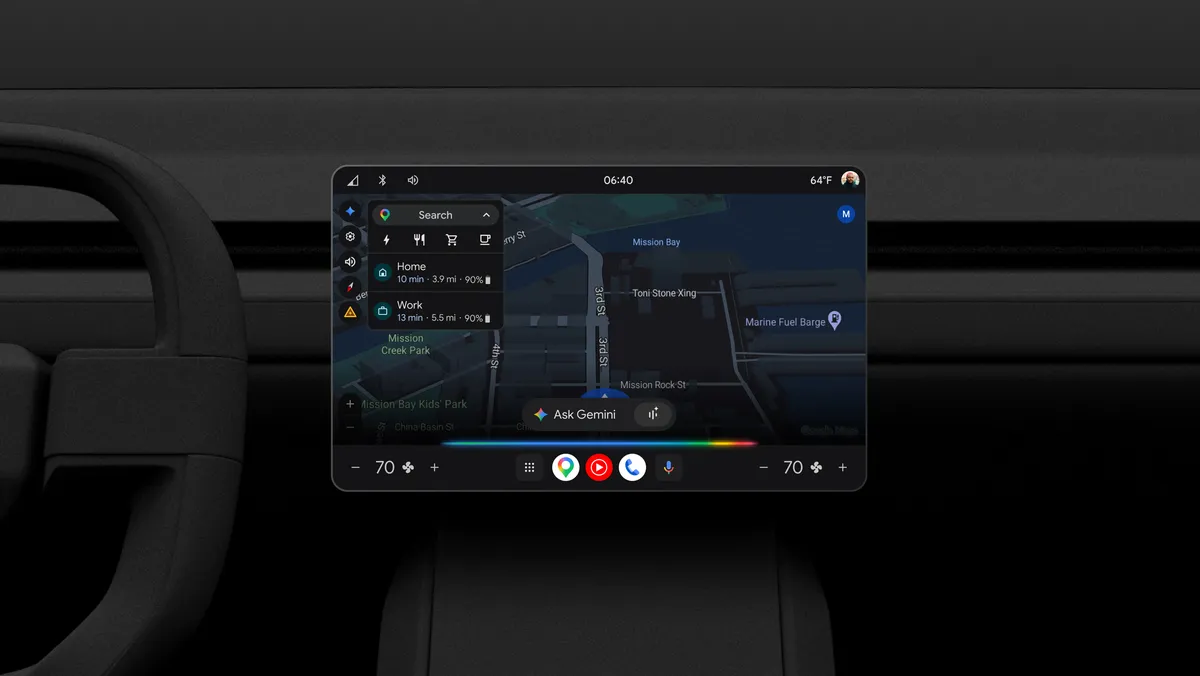
Google's Gemini assistant has introduced a 'Continued Conversation' feature that allows users to interact without repeatedly saying "Hey Google." This enhancement makes the AI assistant more natural for smart home control, enabling sequences of commands like “turn on the lights” followed by “dim them to 50%” without wake words. The feature uses local processing to minimize latency and relies on voice pattern recognition to prevent accidental activations. It marks a significant step toward ambient computing, where voice interfaces seamlessly blend into daily life. Smart home enthusiasts have long complained about the friction of wake words, and this update directly addresses that. However, it also raises privacy concerns: the device must continuously listen for commands, potentially capturing unintended audio. Google assures that on-device processing ensures privacy, but skepticism remains. The feature is rolling out to Google Nest and compatible smart speakers. For many users, it will make assistants feel much more conversational, reducing the robotic feel. As competition with Amazon Alexa and Apple Siri intensifies, such UX improvements are crucial for adoption.
Amazon Ending Support for Older Kindles Next Month, Showing the Hidden Cost of “Forever” Tech
Amazon has announced that several older Kindle models will lose support starting next month, including Wi-Fi connectivity, cloud synchronization, and access to the Kindle Store. Affected devices include the Kindle Keyboard, Kindle Touch, and early generations of the Kindle Paperwhite. The move highlights the hidden cost of digital ownership: hardware eventually becomes obsolete, leaving consumers with devices that cannot fetch new books or sync progress. Environmental advocates decry the planned obsolescence, pointing to increased e-waste. Amazon argues that security updates and modern features require newer hardware, but affected users feel abandoned after years of loyalty. The announcement has sparked a resurgence in DIY hacking communities seeking to extend the life of e-readers through open-source firmware. For average consumers, it's a reminder that "forever" tech is a myth; digital libraries are only accessible as long as the ecosystem supports the device. Amazon offers trade-in programs with discounts on new Kindles, but the cultural loss of older devices is significant. This pattern repeats across many smart devices, reinforcing the need for right-to-repair legislation and longer support lifecycles.
Final Note
This week's news demonstrates the constant tension between convenience, privacy, and longevity in consumer technology. From age verification and robocall rules to smart glasses and Kindle obsolescence, each story underscores the importance of informed consumer choices. Stay tuned for more updates in next week's Techopedia Consumer Report.
Source: Techopedia News