

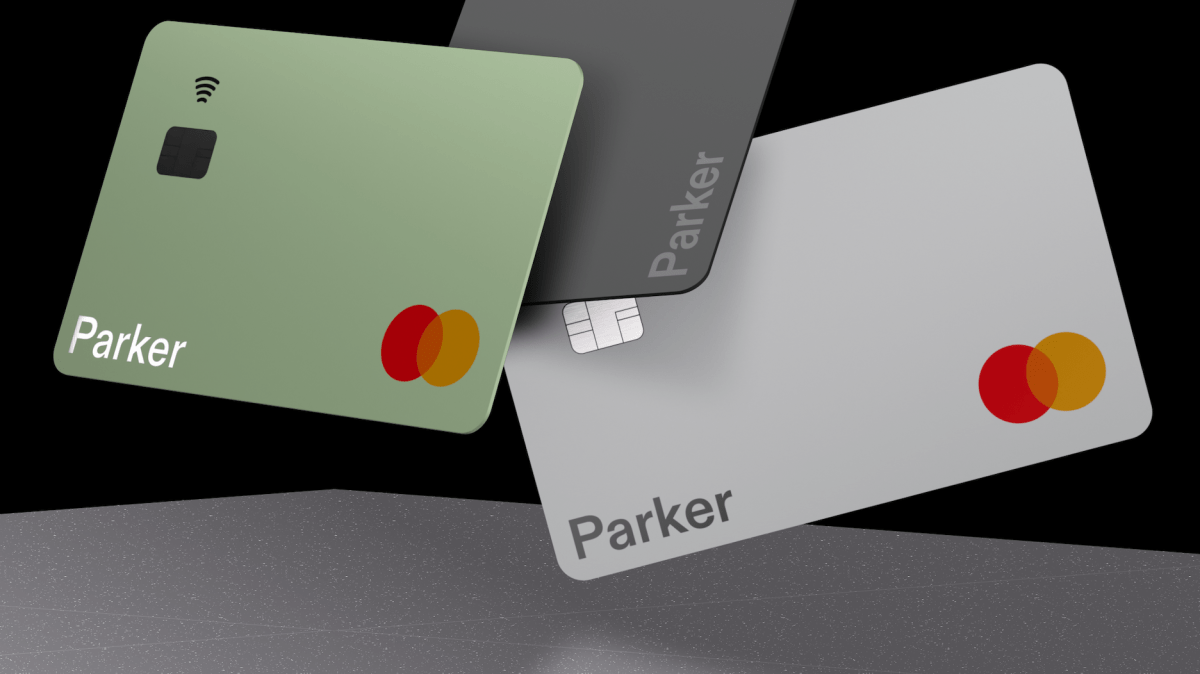
Parker, a fintech startup that offered corporate credit cards and banking services tailored to e-commerce businesses, has filed for Chapter 7 bankruptcy protection, signaling an abrupt shutdown. The company, which raised more than $200 million in total funding including a $125 million lending arrangement, was once seen as a promising player in the competitive corporate card space. However, a combination of market pressures, failed acquisition talks, and operational missteps led to its downfall.
Background and Rise
Founded in 2019 and part of Y Combinator's winter cohort, Parker emerged from stealth in 2023 with a mission to build better financial products for e-commerce founders. Co-founder and CEO Yacine Sibous pitched the startup's "secret sauce" as a specialized underwriting process that could accurately assess the cash flows of e-commerce businesses—a notoriously volatile sector with lumpy revenue patterns, high return rates, and heavy advertising costs. Traditional banks often struggle to underwrite these companies, leaving a gap that Parker aimed to fill.
The Series A round was led by Valar Ventures, the venture capital firm founded by Peter Thiel, which has a track record of backing fintech companies like TransferWise (now Wise) and N26. The funding allowed Parker to scale rapidly, hiring top talent and building out a credit card product that integrated with popular e-commerce platforms such as Shopify and WooCommerce. By early 2026, the company claimed it had reached $65 million in annual revenue, a figure that Sibous repeated on LinkedIn even amid the bankruptcy filing.
The Bankruptcy Filing
On May 7, 2026, Parker filed for Chapter 7 bankruptcy in the U.S. Bankruptcy Court. The filing revealed that the company had assets between $50 million and $100 million, with liabilities in the same range, and between 100 and 199 creditors. Chapter 7, as opposed to Chapter 11 reorganization, means the company will be liquidated, with its assets sold off to pay creditors. This is a stark contrast to the optimistic narrative Parker had maintained on its website, which still boasts the $200 million funding figure and makes no mention of the shutdown. However, a banner remains atop the site, with no warning for customers.
According to multiple social media posts, Parker's credit card partner, Patriot Bank, sent a message to customers confirming that Parker had ceased operations. Competitors quickly seized the opportunity, posting their own offers to lure former Parker users. Fintech consultant Jason Mikula reported that Parker had been in negotiations for a potential acquisition, but those talks fell through, leading to the sudden closure. Mikula also raised concerns about the oversight exercised by banking partners Piermont and Patriot, questioning whether they adequately monitored Parker's financial health.
Impact on Customers and Industry
The abrupt shutdown has left small business customers in a precarious position. Many e-commerce companies relied on Parker's credit cards for working capital, inventory purchases, and advertising spend. Without access to those funds, they may face cash flow crunches or need to scramble to find alternative financing. The lack of prior warning compounds the issue, as customers had no time to transition to other providers. Industry observers note that this could erode trust in fintech companies that partner with smaller banks, as the oversight mechanisms appear insufficient.
The fintech corporate card space has become increasingly crowded, with players like Brex, Ramp, Stripe, and others vying for market share. Parker differentiated itself by focusing exclusively on e-commerce, but that narrow focus may have made it vulnerable to downturns in the sector. E-commerce growth slowed after the pandemic boom, and rising interest rates made lending riskier. Parker's underwriting model, while innovative, may not have been robust enough to weather a prolonged downturn or rising defaults.
CEO's Reaction and Lessons
Yacine Sibous has not explicitly acknowledged the shutdown or bankruptcy on LinkedIn, but in a recent post, he listed lessons he would apply if starting over: "Avoid over-hiring, reactive decisions, and doomsayers." The comment about "doomsayers" may refer to critics who warned about the startup's trajectory. Despite the positive revenue figure, Parker's high burn rate and heavy reliance on debt financing likely contributed to its collapse. The company raised $200 million, but that includes a credit facility from lenders, not just equity. When lenders lose confidence or the bankruptcy filing triggers defaults, the whole house of cards can fall.
The failure of Parker serves as a cautionary tale for fintech startups that chase rapid growth without sufficient risk management. It also highlights the importance of strong relationships with banking partners and the need for transparent communication with customers. For the broader fintech industry, the case may prompt tighter scrutiny from regulators and venture capitalists, who will now demand more rigorous due diligence before backing specialized lending platforms.
Other fintech companies have faced similar fates. The collapse of Synapse Financial Technologies in 2024, which left depositors stranded, illustrates the systemic risks when fintechs act as intermediaries between banks and customers. Parker's case, while smaller, echoes those concerns. The Chapter 7 filing will now begin the process of liquidating assets, with proceeds distributed among creditors—likely including banks, vendors, and maybe some customers—but unsecured creditors often recover little.
The e-commerce sector, meanwhile, will need to find new financial partners. Some may turn to established players like Shopify Capital or PayPal Working Capital, while others may explore newer fintechs that have emerged in Parker's wake. The competitive landscape remains dynamic, but trust is a fragile commodity. Parker's inability to sustain its business model despite strong initial traction demonstrates that even well-funded startups with a clear niche can falter.
As the bankruptcy proceedings unfold, more details may emerge about Parker's internal operations, including the exact reasons for the failure of acquisition talks and whether management explored all options before filing. For now, the company's website remains frozen in time, a ghost of a promise that failed to materialize. The fintech world will watch closely, learning what went wrong in the hope of avoiding a repeat.
Source: TechCrunch News