

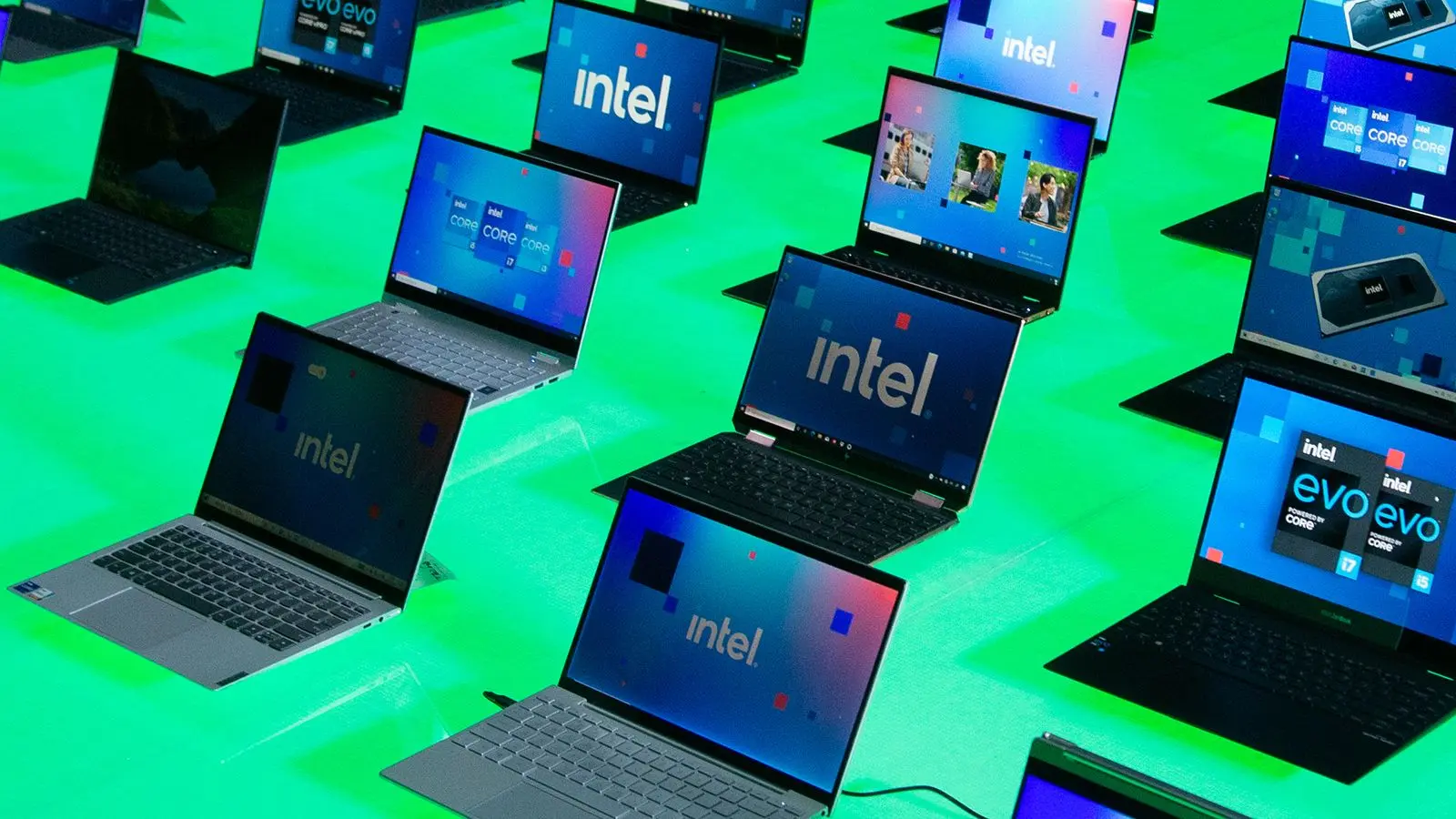
Reports emerging this week suggest that HP, one of the world's largest notebook manufacturers, may be facing unexpected disruptions to its notebook output after a key supplier reportedly halted shipments. The halt is believed to be connected to the broader surge in component prices driven by artificial intelligence demand—a phenomenon some industry observers have labeled AI price gouging. While HP has not issued a formal statement, the development underscores how the AI boom is rippling through the global supply chain, affecting even companies that are not directly involved in AI hardware.
According to people familiar with the matter, the supplier in question—whose identity has not been confirmed—stopped shipping a critical component to HP after failing to reach an agreement on new pricing. The supplier is said to have redirected its available inventory to AI server manufacturers, who are willing to pay significantly higher prices. This left HP scrambling to secure alternative sources, potentially delaying the production of certain notebook models. The exact component has not been disclosed, but speculation points to memory chips, power management ICs, or advanced packaging materials, all of which have seen soaring demand from AI data centers.
The AI Price Gouging Phenomenon
The term AI price gouging has gained traction in recent months as AI companies—ranging from cloud giants to start-ups—have aggressively purchased high-bandwidth memory, advanced GPUs, and other specialized components. Because AI accelerators require vast amounts of memory and computing power, manufacturers have shifted their production capacity toward these high-margin products. This shift has reduced the supply of conventional components used in laptops, desktops, and smartphones, driving up prices for everyone else.
Unlike traditional price gouging, which often involves exploiting a crisis, this dynamic is a result of unprecedented demand and limited manufacturing capacity. Memory makers, for example, have prioritized HBM (high-bandwidth memory) for AI chips over standard DDR5 modules for consumer devices. HBM is more complex and expensive to produce, and it consumes more wafer capacity per bit. As a result, the supply of standard DRAM has tightened, and prices have climbed steadily over the past year.
Industry analysts note that AI firms have deep pockets and can absorb higher prices, while PC makers operate on thinner margins. This disparity has created a bidding war for components, with AI customers often winning. In some cases, suppliers have reportedly broken contracts or delayed shipments to consumer electronics companies in order to serve AI clients. The latest situation involving HP appears to be a direct consequence of this trend.
How HP's Notebook Business Could Be Affected
HP is a major player in the global notebook market, shipping tens of millions of units annually. Its product lineup spans from budget Chromebooks to premium Spectre and Envy laptops, as well as commercial models for enterprises. Any disruption to component supply can have cascading effects on production schedules, inventory levels, and ultimately, sales.
Source: TechRadar News