

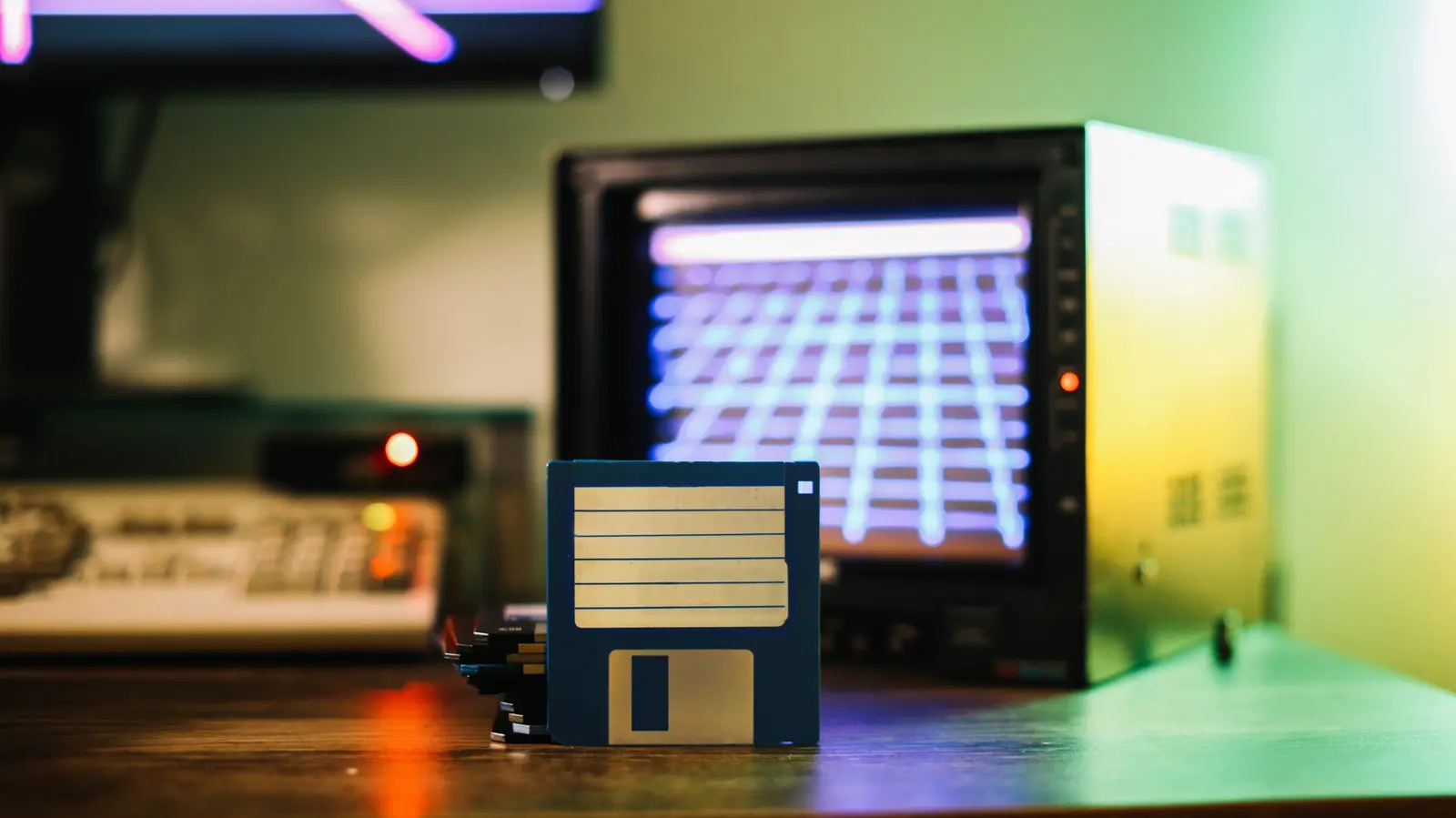
Technology is constantly moving forward, but that's not always a good thing. Sure, modern high-tech gadgets can make you money, and it's useful to have multiple devices connected to each other. But many 'advancements' have also made people feel suffocated by forced online access and locked-down platforms. As a result of this, as well as simple curiosity and perhaps nostalgia, younger generations have begun to embrace older pieces of tech, including analog devices and physical forms of media. This trend is not limited to a niche group but is increasingly mainstream, with communities forming online around everything from vintage audio equipment to retro gaming. The appeal often lies in the contrast to the hyper-connected, disposable nature of today’s technology, offering a slower, more intentional relationship with tools and entertainment.
Not every kid or young adult is embracing older technology, of course. Some even have a continued love for Apple products that created new challenges for Android. But many from Generation Z and Alpha have found creative uses or enticing prospects for 'retro' devices and media in general. They also don't have very high opinions on the direction that current technology has started to move in. That's why you might see these generations taking full advantage of these classic electronic items, from thrift store finds to specialized retailers. The movement reflects a broader cultural shift towards sustainability, privacy, and authenticity in a world dominated by data harvesting and planned obsolescence.
CRTs
If you're a major fan of older games, the reason old CRT TVs are making a comeback shouldn't be surprising. Regardless of generation, many people insist that retro titles only really look as they should on retro monitors. The screens might have been limited in resolution and much less clear than modern TVs, but the people making media that was supposed to be played on those screens knew that. Thus, pixelated video games and even older movies can look especially appealing on a CRT, to the point that today's audiences have to seek out filters and overlays to replicate the style. The unique scanline effect and the way CRT displays handle motion blur make them ideal for 8-bit and 16-bit games, which were designed with these limitations in mind. Moreover, the input lag on modern LCDs can be a deal-breaker for competitive retro gaming, while CRTs offer near-instantaneous response times.
Of course, the retro gaming benefits make up the main appeal of CRT TVs. It's led to Gen Z actively seeking the bulky boxes out, all for the sake of experiencing the games as they were originally intended to be played. It's not just visual, either; even some of the most high-end TVs of today can't match the response time of a CRT. Even with the massive 8K screens of today, younger generations agree that there are some great benefits to these older models. Additionally, CRTs are often cheaper than modern equivalents when found at estate sales or thrift stores, making them an affordable entry point for budget-conscious gamers. Some enthusiasts even modify these sets to improve brightness or add modern inputs, blending old and new technology in creative ways. The resurgence has also sparked interest in CRT repair and maintenance, with online tutorials teaching a new generation how to handle the high voltages inside these glass giants.
CDs, DVDs, VHS Tapes, and Records
Streaming platforms can offer a wide plethora of movies and shows for everyone. But as more people leave expensive services for cheaper options, some are choosing to abandon them altogether. For younger generations, the concept of owning your media is even more appealing when you'd otherwise have to sign into an account and hope a company doesn't take down your favorite series. That's why physical media from optical discs, records, and even tapes still appeals to some younger users — in spite of how the latter is commonly seen as old tech that most Gen Z kids will never learn to use. Vinyl records, in particular, have seen a remarkable resurgence, with sales consistently rising year after year. The tactile ritual of placing a needle on a record, the large album art, and the warm sound quality have become sought-after experiences in a digital age where music is often reduced to background noise.
Of course, these solutions aren't perfect, either. DVDs and CDs are likely to degrade over time, and streaming services still have the benefit of turning viewers onto many shows or movies they'd never have bothered with otherwise. But as one young DVD enjoyer told the BBC, it isn't just about functionality and preservation. 'The main selling point [of DVDs] for me is the cases ... it's about having something physical you can look at instead of just scrolling through your phone mindlessly.' There's a certain feeling that comes with having something physical that you won't get by just binge-watching your favorite shows or movies, and that's a major part of why they still have plenty of appeal today. Beyond discs, the VHS format has also found a niche following, with collectors seeking out rare tapes and even releasing independent movies on VHS to capture a retro aesthetic. This trend speaks to a desire for curated, tangible collections that express personal identity in an era of digital clutter.
Retro Consoles and Phones
It might seem impossible to live a modern life without a full smartphone, but younger generations are embracing older 'dumb' phones instead. This sort of trend is popular enough to have its own community on Reddit with over 175,000 viewers weekly, and we've even made a dedicated article on the best dumb phones you can buy. On top of being cheap and lightweight, these devices aren't squeezing owners out for every drop of data they have, allowing them to reach out to friends without giving away so much personal information to Google, Apple, or some other major company. The simplicity of a dumb phone also encourages mindfulness and reduces screen time, which many younger users cite as a major benefit. Some models even bring back the satisfying click of physical buttons, a stark contrast to the glass slab of modern smartphones. The limited functionality means less distraction, making these phones ideal for those seeking a digital detox while still staying connected.
While it's not quite for the same reasons, younger generations are also embracing retro gaming consoles. In this case, it's more because the best classic games are simply timeless to them, not because the older devices have so much functionality. That being said, while it's possible to enjoy some older games on modern systems, their implementation can be somewhat lacking. It's hard to be unappreciative of how well retro consoles can run their original libraries — especially for Gen Z players willing to take those consoles to their limits. Original hardware like the Super Nintendo or Sega Genesis offers an authenticity that emulation sometimes misses, such as the precise timing of sprite rendering or the audio characteristics of the original sound chips. The community around retro gaming has also fostered a culture of preservation, with fans archiving cartridges and repairing broken consoles to ensure these experiences survive for future generations. Additionally, the rise of handheld emulators and retro-inspired mini consoles has familiarized younger players with the classic game libraries, often leading them to seek out the original hardware for a more genuine experience.
Point-and-Shoot Cameras
Smartphones have some pretty incredible cameras today, but vintage point-and-shoot cameras aren't going away. Gen Z has been pushing to make use of them in recent years, and there's a very simple reason for that: They're still fantastic, even in 2026. Rather than being designed as an extra feature for your phone, the picture-focused internals in a point-and-shoot camera are all you'll find inside one. In other words, everything about these cameras is designed to take the best photos possible. The fixed lenses often produce a distinct look — with characteristic sharpness, color rendition, and depth of field — that many find preferable to the computational photography of modern phones. Additionally, the act of using a dedicated camera encourages intentionality; you can't instantly review and delete dozens of shots. This slower process often leads to more thoughtful photography and a deeper appreciation for the craft.
In a way, these cameras are less a retro trend for Gen Z or Gen Alpha and more of an everlasting constant for aspiring photographers. Like classic games or the unique look of a CRT screen, they're timeless for many people, and their capabilities still haven't been so easily replicated or surpassed by modern alternatives. Even beyond modern technology's issues with ownership and the curiosity of younger generations, a major draw to older tech is simply that it still has plenty of fantastic benefits of its own. The compact size, ease of use, and often affordable prices at thrift stores make these cameras accessible to students and hobbyists. Film photography has also enjoyed a parallel revival, with young photographers learning to develop film at home or using lab services to produce prints that have a distinct analog character. The rise of social media accounts dedicated to point-and-shoot photography demonstrates a vibrant community that values imperfection and chance over the sterile perfection of digital filters. In conclusion — though we must avoid that term — the enduring appeal of point-and-shoot cameras shows that older technology can continue to offer unique experiences that modern gadgets cannot replicate.
Source: SlashGear News